
Guide
Groundwater or a leak? Three questions that point the way
Water keeps showing up in your basement or on your slab, and you cannot tell whether a leak in your own pipes or the ground is behind it. Answer three questions, do a few checks, then call in the right order. The order matters as much as the trade.
We book your mold assessment first. A separate company does the removal. We are not the contractor.
Describe the wet spot
Start with a name, a mobile number and your ZIP. Add the room and the surface if you can.
What Mold Removal Nassau County stands behind
- R1Reaching out is free, and you owe us nothing.
- R2We charge nothing for sorting out the job.
- R3Your assessor and your remediator work for different firms.
Your first booked job comes $100 off, paid by us.
- The $100 comes from us, so the contractor's quote is unchanged.
- One per customer at each Nassau County address.
Three questions that point the direction
Ask yourself these before you call anyone.
- Does the damp follow rain, or does it show up in dry weeks too?
- Is it low and even along a wall, or does it follow a pipe, a fixture or a window?
- How far down is the water table where you live?
Rain that brings the damp points outside: the ground, the grade or the gutters. A strip along a pipe points to the house. The third question matters most on the North Shore hills and across the middle, where the water is tens of feet down.
Checks you can make before anyone visits
Spend an afternoon on these. They cost nothing and they sharpen the call.
- Switch off every tap and appliance, then check the water meter for movement.
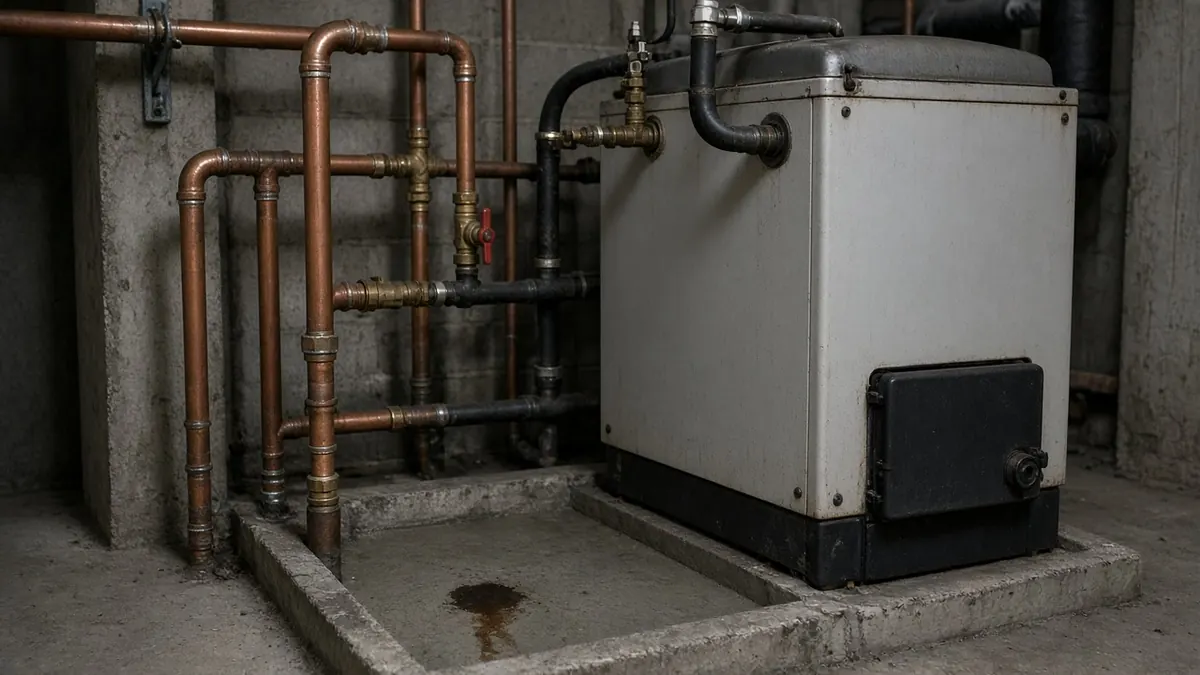
- Look at the supply lines, the water heater and the washing machine hoses for drips and rust.
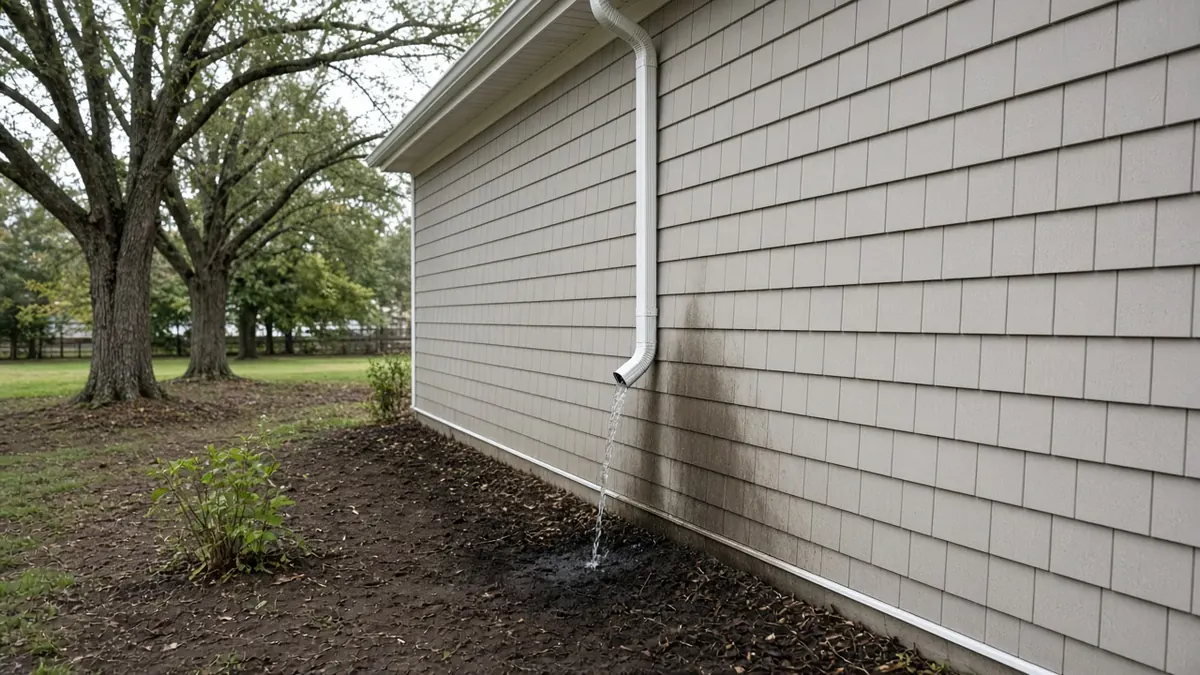
- Walk the outside and see where the downspouts empty and which way the ground slopes.
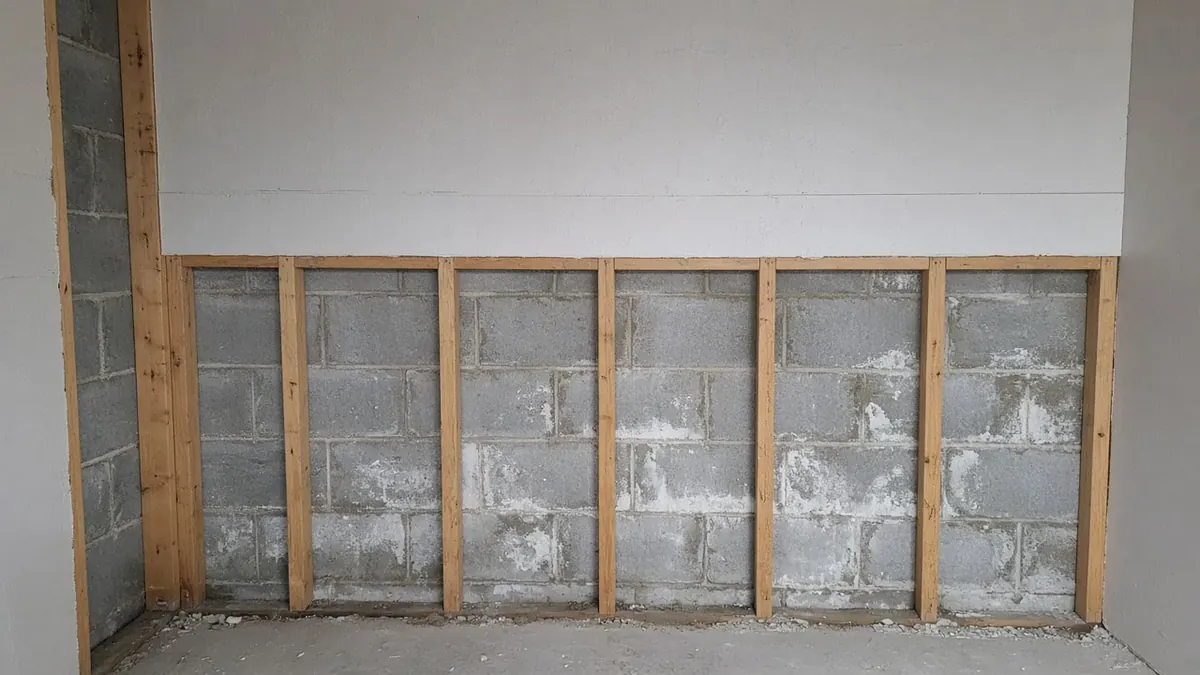
- Tape a square of plastic to the wall for a day. Moisture behind the plastic means it comes through the wall. Moisture on the room side means it condenses from the air.
Write down what you find with dates. You will give the notes to your assessor.
Cases where you can handle it alone
If the patch is smaller than about 10 square feet and the cause is clear, EPA says a homeowner can often clean it. Fix the source, dry the area and clean it.
Finding mold does not by itself oblige you to hire anyone, the state Department of Labor says. The licensing rules only come into play when you choose to hire for a mold project.
If you rent, write to your landlord first and keep a copy of the letter.
Who you hire, and in what order
For a project over about 10 square feet, the order is set by state law. First comes the assessor, then the remediator, then the assessor again to check the work.
The assessor writes a plan listing the work areas, the methods and the standard for a pass. When the cause can be traced, the plan also names it and the trade that repairs it. You send that plan to the remediation firms you are considering.
The repair trade, such as a plumber or a roofer, fixes the source. Book that trade before the cleanup, or the growth is likely to return.
Why the assessment cannot be skipped on a licensed project
A licensed remediator cannot begin work without an assessment on file, and a signed waiver does not change that, the Department of Labor says. It adds that cleanup estimates should wait, since an early figure cancels the safeguard of a separate assessor.
A remover who gives you a blank assessment form to fill out is breaking the same rule. If a firm offers to assess and remove, ask them how that fits the law, then walk away if they cannot say.
The firm that writes your scope should not gain from a bigger job. That is why the state keeps the two roles apart.
Who signs off on the finished work
The assessor returns after the removal to confirm the area shows no visible mold and that the work met the plan. It also checks, as far as it can, that the cause was fixed.
The remover does not sign off its own work. Ask your assessor for the clearance result in writing and keep it with your other papers.
Check each license on the Department of Labor register. We line up separate firms, but we cannot verify each contractor on each job, so that last check is yours to make.
What the assessor will ask you
Have these answers ready and the visit goes faster.
- When did you first notice the damp, and has it grown?
- Does it follow rain, humid weather or a specific appliance?
- What has already been torn out, cleaned, painted or sealed?
- Does the house have a slab, a finished basement or an unfinished cellar?
- Who owns the building, and who pays for repairs?
The last question matters for renters, co-op owners and condo owners, because the board or landlord may control the repair.
Co-ops, condos and rentals
If you live in a building with shared walls, the source may not be in your unit. A neighbor's line or a roof leak can feed your wall.
Tell the board, the managing agent or the landlord in writing, with dates and photographs. Under Real Property Law section 235-b, a New York landlord must keep a residential home fit to live in, and no lease can take that duty away. Keep the paper trail, then call us if you want the scope explained.
How long to wait before you call
If the water came in within the past day or two, do not wait. EPA says it is important to dry wet areas within 24 to 48 hours, and drying comes first.
If the damp has been there for weeks, or keeps returning, book an assessment rather than trying a fourth fix. Each fix you try before the finding costs money and can hide clues the assessor needs. Call us, describe the history and ask which service should lead.
Send what you found
Tell us the town, the room and the answers to the three questions. We line up the assessor first and a separate remover later, once your written plan is in hand. Start with the form on this page.
Related jobs
What Mold Removal Nassau County stands behind
- R1Reaching out is free, and you owe us nothing.
- R2We charge nothing for sorting out the job.
- R3Your assessor and your remediator work for different firms.
- R4The $100 credit applies just as the Terms set out.
The work itself falls under your own contract with the contractor.
Mold Removal Nassau County, (315) 640-3590 Read the full terms
Your first booked job comes $100 off, paid by us.
- The $100 comes from us, so the contractor's quote is unchanged.
- One per customer at each Nassau County address.
- Book the job by December 31, 2026 to use it.
- The contractor quotes and bills the work.
Send your three answers and get the first call in the right order.