
Mold Assessment, Removal and Water Damage Drying in Nassau County
The split is New York's, not ours. An assessment finds the moisture behind the growth and puts the scope in writing, and the state bars the firm that writes it from doing the removal. Remediation is that removal, carried out to the written plan by a second licensed company. Drying is the job you still have while things are wet, and caught within a day or two it is often the only one.
What we arrange
Mold Inspection and Assessment
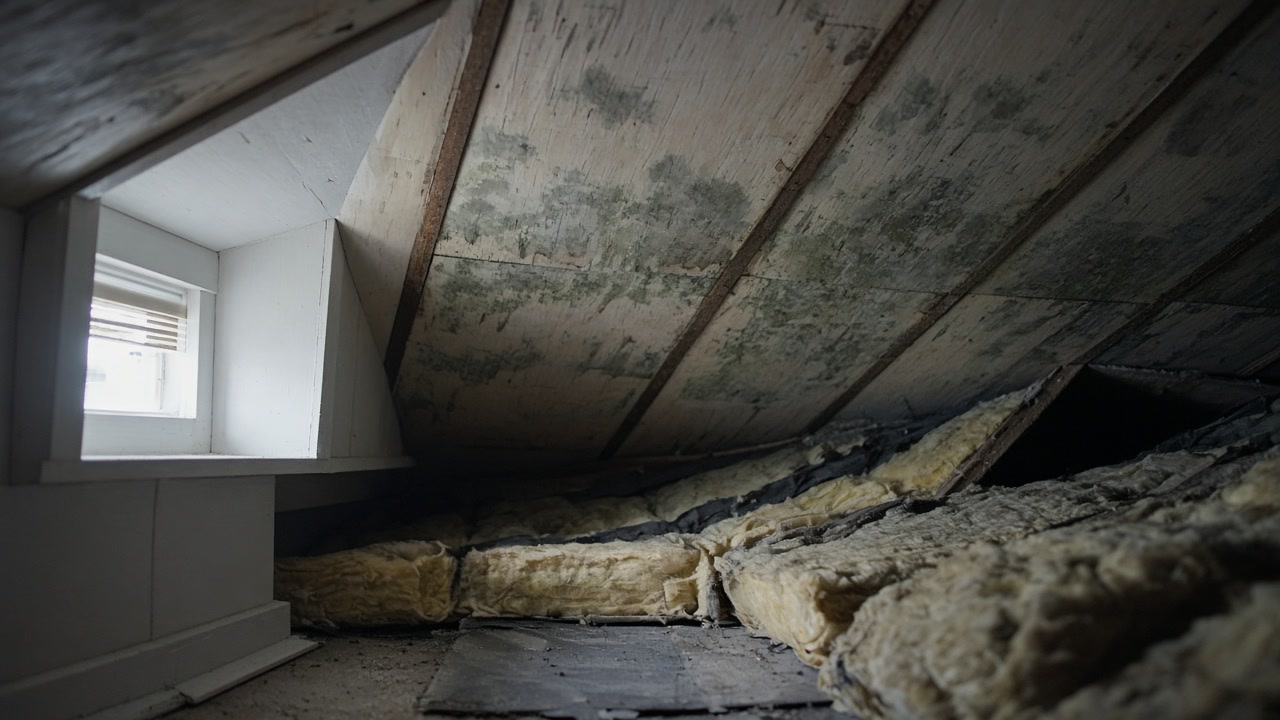
Most people call about the mold and end up needing an answer about the water. A licensed assessor walks the house, measures how far the damp material runs, works out whether the moisture is climbing from below or coming from somewhere inside, and puts it all in a written remediation plan: the areas, the quantities, the methods, the clearance criteria and, where it can be traced, the moisture source along with the kind of contractor who should repair it. Removal firms then price that plan, so every quote you collect describes one job instead of three different guesses. It matters more here than most places, because the ground under this county is not one condition. In spring 2016 one USGS well on Manhasset Neck found water 0.37 feet below the surface, and another about 1.3 miles away found it 165.27 feet down.
Read more →Mold Remediation and Removal
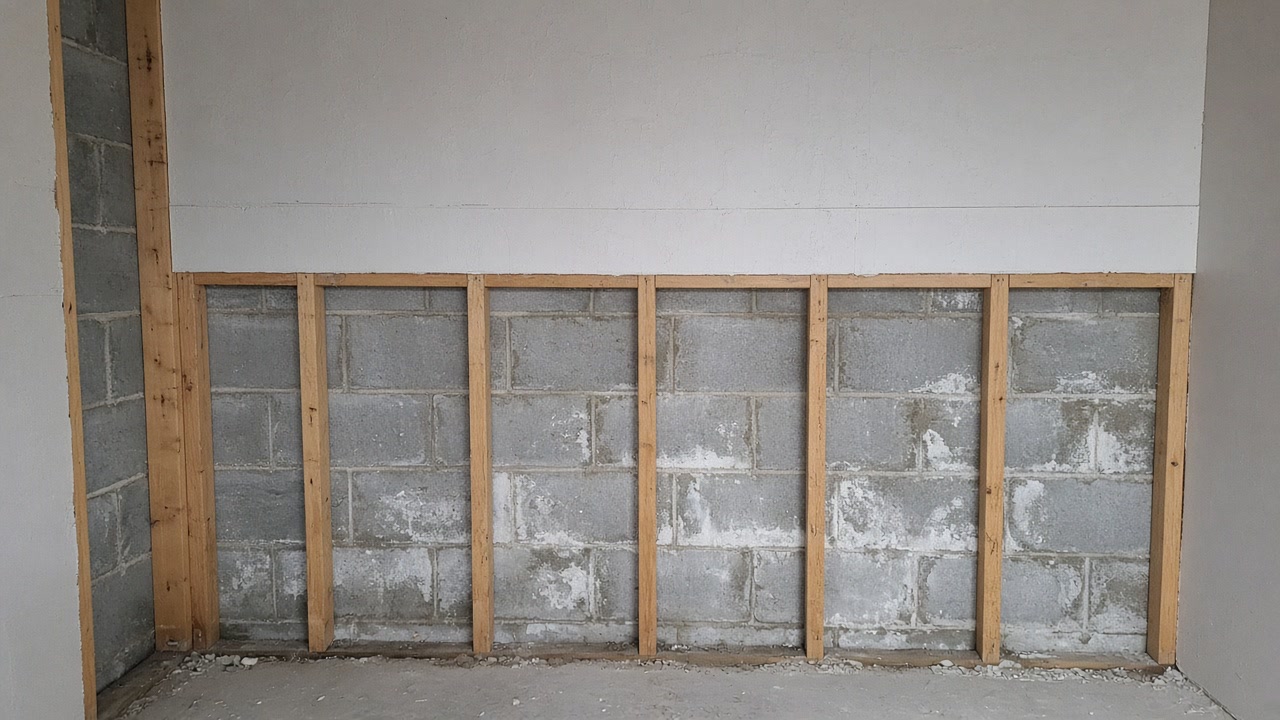
Remediation is the physical job: sealing off the work area, taking out material that cannot be saved, cleaning what can stay, and leaving the space ready for an independent check. In New York the remediation firm works to the scope an independent assessor wrote, and it may not write its own. That works in your favor, because every firm you invite prices the same plan, and the plan says what the water source was. The source is dealt with before the cleanup. The state health department puts finding and correcting the moisture problem first, then throwing out porous material with heavy growth, such as drywall, carpet and ceiling tiles. A third of Nassau's homes were built in the 1950s alone, and whole towns such as Levittown went up on slabs with no basement, so the material that comes out is often flooring, underlayment and the bottom of the walls.
Read more →Water Damage Drying and Restoration
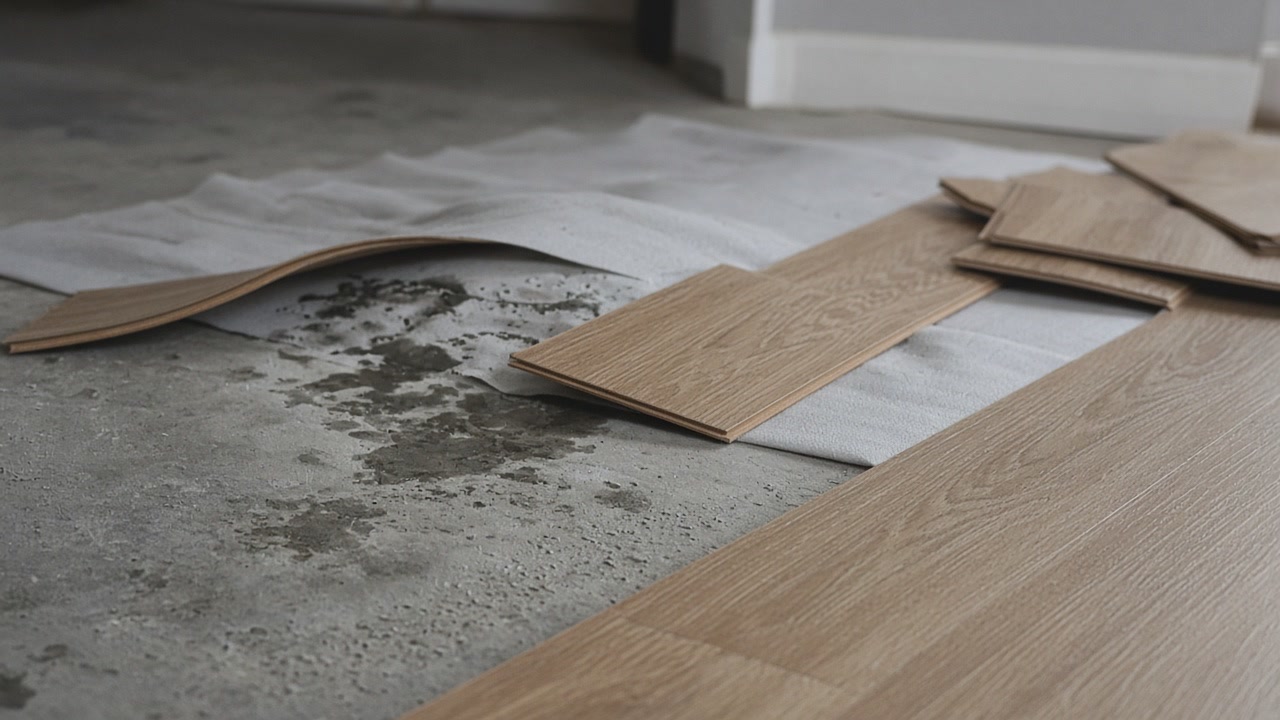
Mopping up the water you can see is the easy part. The real work is getting it out of everything that soaked it up: drywall, carpet pad, framing, and the concrete itself. The EPA advises drying water damaged materials within 24 to 48 hours, and says that in most cases mold will not grow if that happens. A drying crew extracts standing water, removes what cannot be dried, sets air movers and dehumidifiers, and takes moisture readings until the structure is dry, writing them down as it goes. Concrete is the slow part. The EPA describes slabs as very porous and able to hold a great deal of water, and says they must be thoroughly dry before tile, carpet or other water sensitive coverings go back on.
Read more →The equipment these jobs actually arrive with
Not sure which one you need?
Describe the problem and we will point you to the right work.
Request a Quote
Tell us the town, the lowest level of the house and where the damp is showing. In Nassau that is usually enough to say whether the water is coming up from the ground or out of the house, and which licensed trade the job needs.
Would you rather talk it through? Call (315) 640-3590.
$100 off your first job
Credited by us on your first booked job.
- One credit per customer per property, on your first booked job.
- Valid through December 31, 2026.
Mention this offer when you book. Full terms.
Tell us what you are seeing
Tell us what you are dealing with and we will take it from there.