
Nassau County, New York
Wet spot in a Nassau house? Learn where the water started
Dark patches on a block wall, a musty slab floor or a cellar that stays damp? Tell us the town and the room. You will hear which job leads, what the water table has to do with it, and what to ask before anyone quotes.
Your first booked job comes $100 off, paid by us.
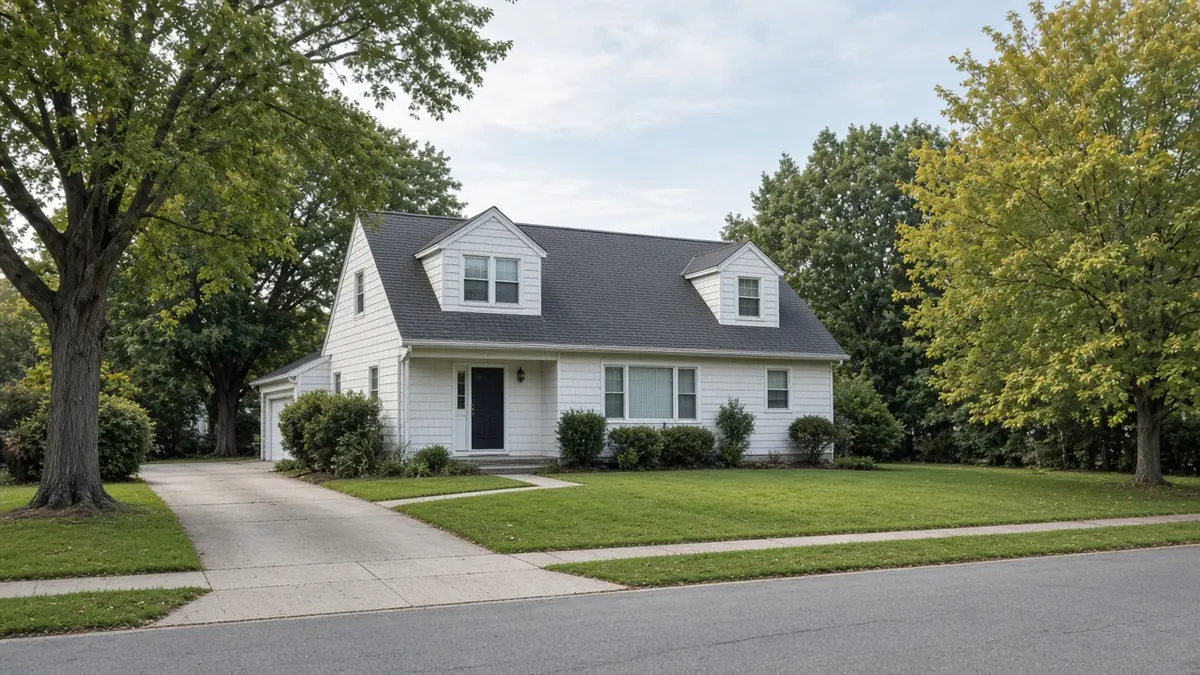
We book your mold assessment first. A separate company does the removal. We are not the contractor.
Describe the wet spot
Start with a name, a mobile number and your ZIP. Add the room and the surface if you can.
What Mold Removal Nassau County stands behind
- R1Reaching out is free, and you owe us nothing.
- R2We charge nothing for sorting out the job.
- R3Your assessor and your remediator work for different firms.
Your first booked job comes $100 off, paid by us.
- The $100 comes from us, so the contractor's quote is unchanged.
- One per customer at each Nassau County address.
- Two firms, never oneAssessing and removing stay in separate hands.
- Scope before priceRemoval quotes follow a written plan.
- Nassau County onlyJobs from Port Washington to Massapequa.
- Nothing to signAsk now. Decide after you read the scope.
Why a wet floor in Port Washington is not a wet floor in Syosset
Two wells about 1.3 miles apart on Manhasset Neck read 0.37 feet and 165.27 feet down. The gauge shows where your band sits.
People hear that Long Island has a high water table and reach for a sump pump. Across much of Nassau County that is the wrong guess. USGS says substructure flooding is more likely only where the water table is shallow.
Near the harbors and bays the ground can be a real suspect. Up on the North Shore hills and across the middle of the county the water sits tens of feet below your floor. A damp slab there usually has a nearer cause: a supply line, a heating line, a gutter, the grading or cold surfaces that sweat.
Tell us your town and where the damp shows. An assessor then reads your house, not a regional map with an error margin of 5 feet either way.
- North Shore hills and harbors
USGS spring 2016 wells on Manhasset Neck differ sharply. Port Washington read 0.37 feet. Flower Hill read 165.27 feet, about 1.3 miles away.
Roslyn read 10.26 feet and Glen Cove 104.57 feet. Higher land means deeper water. Up the slopes, check roofs, gutters, grading and pipes first.
- The middle of the county
Levittown and Garden City wells read about 24 to 26 feet. Hicksville read 47 feet. A Syosset well read 165 feet.
The water sits far below a slab. Damp more often comes from the house. Think pipe, heating line, gutter or condensation.
- The South Shore
A USGS well in Elmont read about 36 feet down. Along the marshes and barrier island USGS had no data. Its map assumed sea level there.
Readings are thin along the marshes. The ground stays a real suspect. An assessor checks the house first and names the cause.
Basis: USGS Scientific Investigations Map 3398, USGS National Water Information System
Start with what you can see
Find the log row that sounds most like your house, then open that page.
Most calls begin with a stain, a smell or a puddle. None of those tells you where the water came from, and that decides the job. The same black patch can be fed by a leaking pipe, by rain at the roofline or by the ground itself. Each one needs a different repair.
Describe yours in the form and say which room it is in. You will hear which service to start with before you commit to anything.
Note the room, the date and anything that changed this week, then call or send the form.
- Dark growth on a cellar wallGet the patch measured and the water traced before anyone prices a cleanup.Mold Assessment
- A musty smell and no sign of itThe source may sit inside a wall or under a floor. Ask for it to be traced.Mold Assessment
- New flooring lifting or smelling dampA slab can push moisture up through a new floor. Measure it first.Mold Assessment
- Mold written into an assessor's planYour plan names the areas and the work. Get removal quotes against it.Mold Remediation
- Water on the floor in the last two daysEPA says to dry wet material within 24 to 48 hours. Call before the second day ends.Water Damage Drying
- A sewer backup or a flooded cellarDirty water means cleanup first and an honest look at where it came from.Water Damage Drying
Quick answers
Is a wet cellar on Long Island always groundwater?
No. In spring 2016, USGS wells read roughly 25 feet down at Garden City and Levittown. A Port Washington well read as shallow as 0.37 feet. When the water is far below your floor, look at pipes, gutters, grading and condensation first.
Why can I not get one company to assess and remove the mold?
Section 936 of New York's Labor Law says no licensee may do both jobs on one property. The firm that writes your scope should gain nothing from making the job bigger.
Do I need a mold test?
Often not. Sampling is rarely advised, the Department of Labor says, since some mold is always in the air and no standard exists to measure a result against. Ask an assessor whether a sample would change the plan for your house.
What if my mold patch is small?
EPA says a homeowner can often clean an area under about 10 square feet. Fix the water first, or the patch returns. If it keeps coming back, book an assessment.
How fast should I act after water gets in?
EPA advises drying wet material within 24 to 48 hours. Past that window, growth may start, and the job can turn into an assessment and a removal. Call as soon as you find the water.
Will you give me a price on this page?
No. Contractors set their own prices after they see the scope, and a price quoted blind would mislead you. The assessor's written plan is what lets you compare quotes.
How do I check that a contractor holds a New York license?
Request the license details, then check them on the register. The Department of Labor publishes its mold licenses as open data, so you can confirm the type and the name before you sign.
I rent my place. Who handles the mold?
Start with your landlord. Under Real Property Law section 235-b a New York landlord must keep a rented home habitable, so put the problem to your landlord in writing first. Send us the details and we can still explain the order of the work.
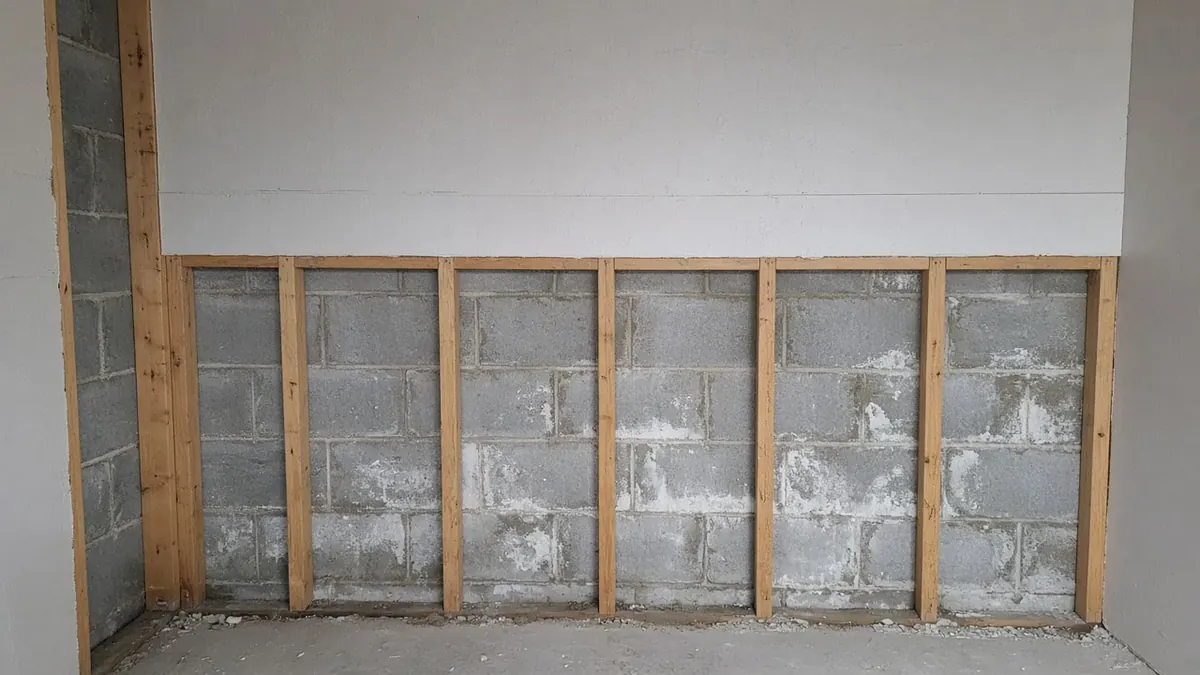
Three jobs, and which one leads
New York licenses mold assessors and mold remediators separately, and one firm may not do both on the same project. Ask any contractor for its state license and look it up on the Department of Labor register.
Mold Assessment
Find the source and get the plan in writing.
Mold Remediation
Price removal against a plan from a separate assessor.
Water Damage Drying
Dry wet floors and walls inside the 48-hour window.
Why your assessor and your remediator are two firms
The assessor
- Measures the growth and finds the wet material.
- Names the water source where it can be traced.
- Writes the plan that removal firms price.
- Checks the finished work against that plan.
The remediator
- Prices the assessor's plan, not a guess.
- Seals off the area and takes out what cannot stay.
- Cleans what can stay and leaves it for the check.
- Never writes the plan or signs off the result.
- Written findings
- Written scope
- Written price
- Written clearance
Basis: New York Labor Law section 936 (Article 32), NYS Department of Labor
Fourteen towns, North Shore to South Shore
Each town page covers the housing and water behind jobs in that place.
Start on the North Shore with Port Washington, Manhasset, Great Neck, Glen Cove, Sea Cliff and Roslyn. Across the middle, look at Syosset, Hicksville, Levittown, Garden City and Mineola. Down the South Shore, choose Hempstead, Elmont or Massapequa.
Live somewhere else in the county? Send the request anyway. The areas page shows how the three bands compare.
North Shore hills and harbors
The middle of the county
The South Shore
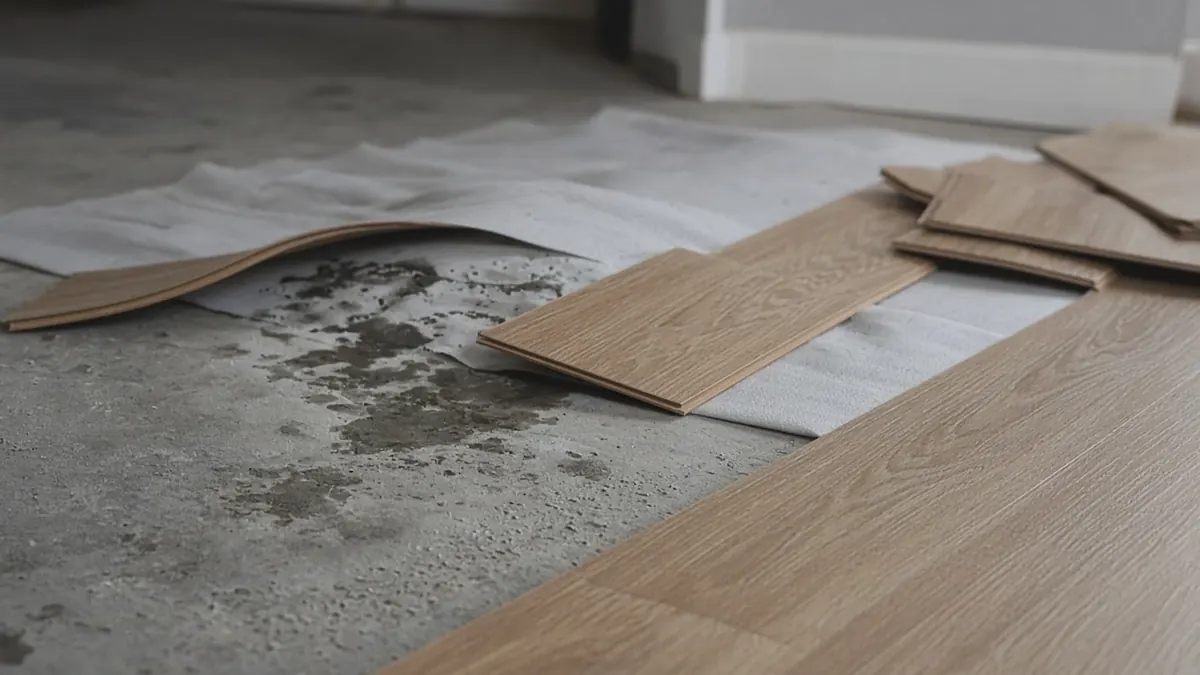
The 1950s houses behind many calls
Check what your floor is made of before you buy a fix.
The median Nassau home was built in 1955, and two in three went up before 1960. Some sit on concrete slabs or over small basements.
Levittown shows how this plays out. Levitt and Sons built 17,447 houses there between 1947 and 1951, on slabs with copper heating coils set in the concrete. A trade author writes that no vapor barrier went under them, so small leaks soaked into the ground unseen.
If your house is one of these, a damp corner or a lifting floor tile may trace to a line in the slab. Sealing the surface will not fix a leaking line. Ask the assessor to check the floor, the lines and the roof before any waterproofing quote. You can also read the slab house guide first.
Heating adds one more question. Census estimates show 26.5 percent of Nassau homes heat with fuel oil or kerosene, and 73.0 percent in Levittown. Tell your assessor where the tank, the boiler and any lines sit, because that shapes where the floor gets read.
Basis: USGS National Water Information System, USGS Scientific Investigations Map 3398
What moves the price of your job
We do not set prices. Contractors quote the work, and these are the things that change what they quote.
The size of the affected area comes first. Next is what the growth sits on: painted block can often be cleaned, while carpet, pad and drywall are usually thrown out. A finished basement costs more to open up than a bare cellar wall.
The water source matters too. If a pipe or roof leak is still running, the repair comes before the cleanup, and that repair is a separate trade. Occupants in the house affect how the area is closed off and for how long.
You hold the lever on all of this. Ask for the assessor's written plan, send the same plan to two or three firms, and compare what each one prices. Then book the one you trust.
Timing matters as well. EPA wants wet material dry within a day or two, so call as soon as you find water.
What Mold Removal Nassau County stands behind
- R1Reaching out is free, and you owe us nothing.
- R2We charge nothing for sorting out the job.
- R3Your assessor and your remediator work for different firms.
- R4The $100 credit applies just as the Terms set out.
The work itself falls under your own contract with the contractor.
Mold Removal Nassau County, (315) 640-3590 Read the full terms
Your first booked job comes $100 off, paid by us.
- The $100 comes from us, so the contractor's quote is unchanged.
- One per customer at each Nassau County address.
- Book the job by December 31, 2026 to use it.
- The contractor quotes and bills the work.
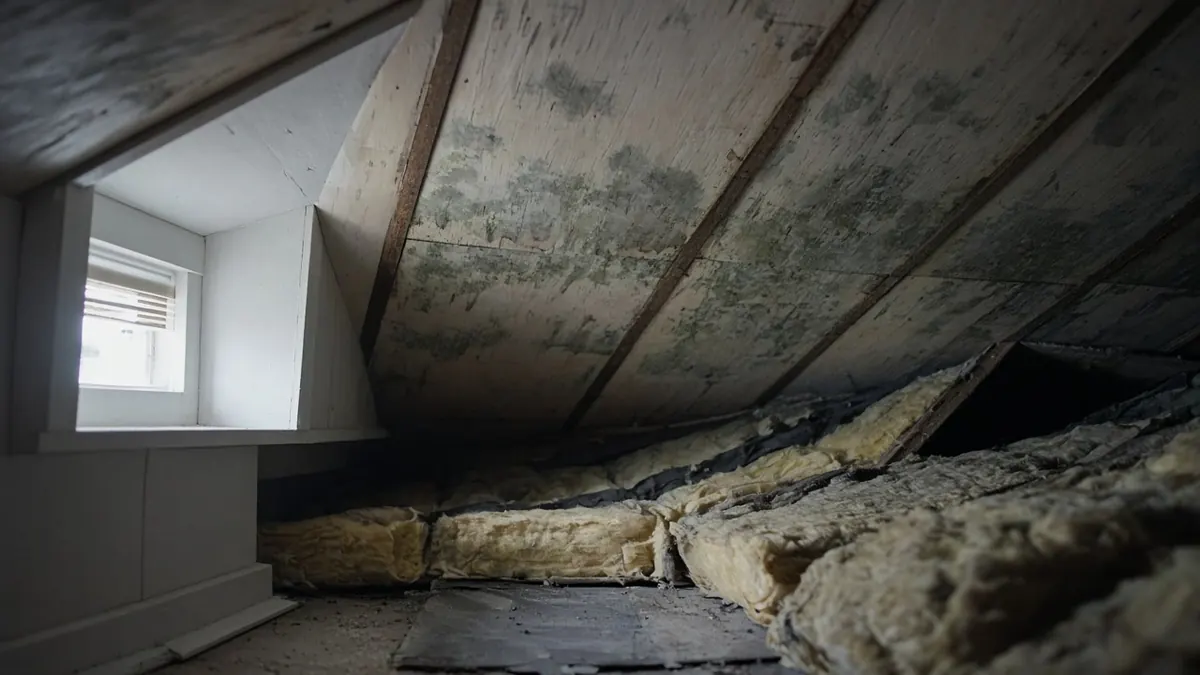
Three questions to ask any mold contractor
- Which New York State mold license do you hold, and where can I look it up?Assessors and remediators hold separate licenses. Check yours on the Department of Labor register before you sign.
- Is this priced against a written plan from a different firm?A remediator cannot write the plan for the same job. A price with no plan behind it is a guess.
- Where did the water come from, and who is fixing it?The plan should name the source. Cleanup before the repair tends to grow back.
Basis: NYS Department of Labor, NY Open Data
Read before you decide
- Depth to the water table under a Nassau houseWells 1.3 miles apart read 165 feet apart.
- Damp and mold in a house built on a slabWhy a house with no cellar still gets damp.
- New flooring over an old slabMoisture can hide under a floor that looks fine.
- Wet basement on high groundDeep wells point you to the house first.
- Is it groundwater or a leak?Three questions to ask before you hire.
Trace the water early and the job stays smaller.