
Water Damage Drying
Water on the floor in Nassau County? Start drying now
Water in the basement, a soaked carpet or a sewer backup gives mold a head start. Call as soon as you find it. EPA says to dry wet material within 24 to 48 hours. We connect you with local drying and cleanup contractors.
Your first booked job comes $100 off, paid by us.
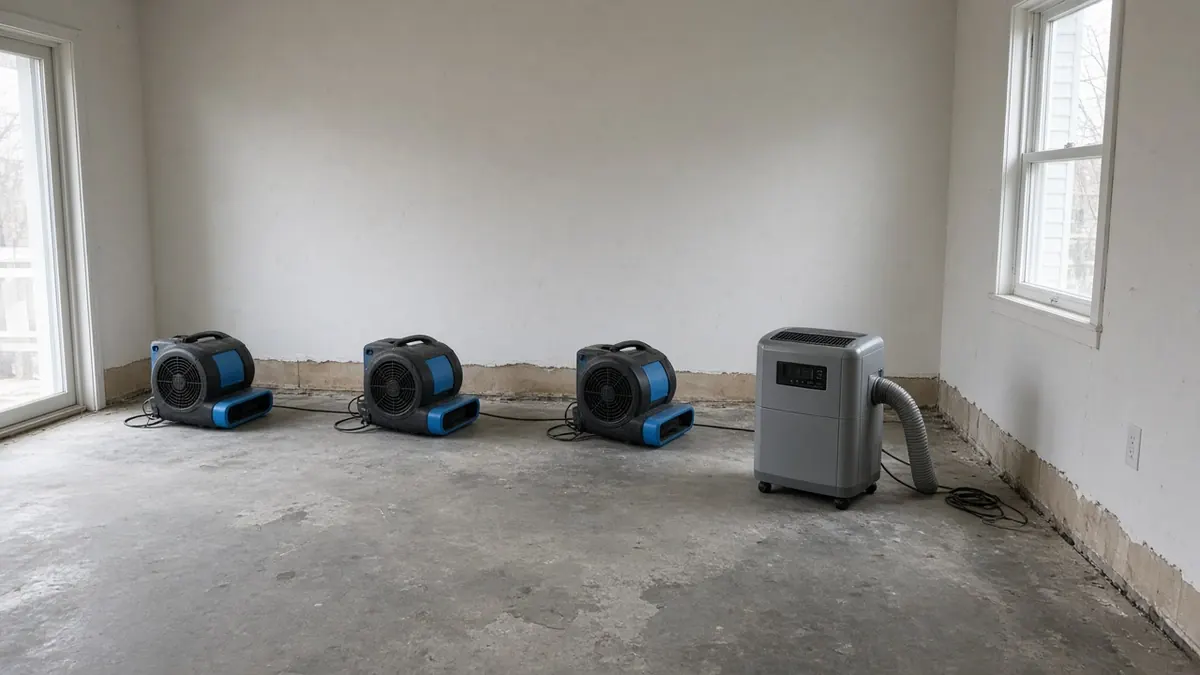
We line up the drying company first. If mold shows up, a separate assessor checks it. We are not the contractor.
Describe the wet spot
Start with a name, a mobile number and your ZIP. Add the room and the surface if you can.
What Mold Removal Nassau County stands behind
- R1Reaching out is free, and you owe us nothing.
- R2We charge nothing for sorting out the job.
- R3Your assessor and your remediator work for different firms.
Your first booked job comes $100 off, paid by us.
- The $100 comes from us, so the contractor's quote is unchanged.
- One per customer at each Nassau County address.
When Water Damage Drying fits
- A burst or leaking supply lineClean water soaks drywall, pad and framing fast. Shut off the supply line, then call.
- Water after heavy rainSeepage along a cellar wall or slab edge needs drying and a look at the grading.
- A sewer or drain backupDirty water calls for cleanup, and porous material it touched is usually discarded.
- A cellar that flooded with no leakAsk where the water came from before you pay to dry it only to see it return.
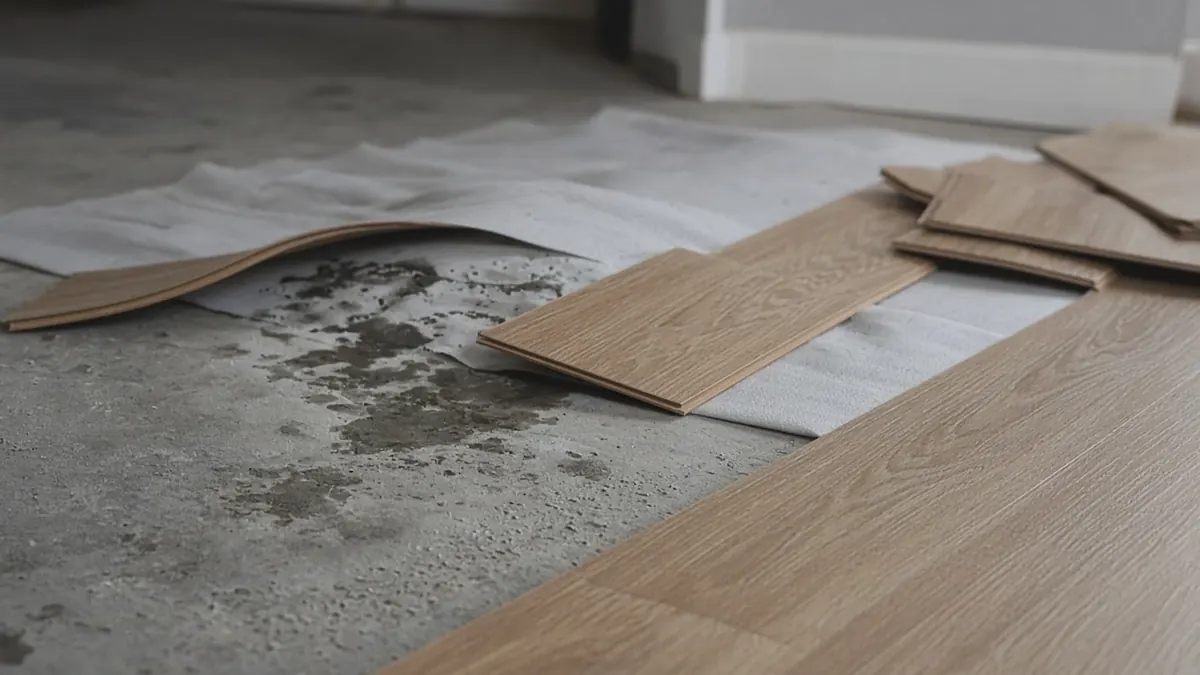
- Carpet that feels dry on topThe pad and the slab beneath can stay wet for days.
How far down is the water under your floor?
- North Shore hills and harbors
USGS spring 2016 wells on Manhasset Neck differ sharply. Port Washington read 0.37 feet. Flower Hill read 165.27 feet, about 1.3 miles away.
- The middle of the county
Levittown and Garden City wells read about 24 to 26 feet. Hicksville read 47 feet. A Syosset well read 165 feet.
- The South Shore
A USGS well in Elmont read about 36 feet down. Along the marshes and barrier island USGS had no data. Its map assumed sea level there.
Quick answers
How soon does drying need to start?
As soon as you find the water. EPA says to dry wet areas within 24 to 48 hours. Past that, growth may already have started, and the job can turn into an assessment and a removal.
The carpet feels dry. Is the floor dry?
Not necessarily. Pad holds water like a sponge, and concrete holds a great deal. Ask for moisture readings on the pad, the slab and the base of the wall.
When can new flooring go down?
When the slab reads dry. EPA recommends measuring vapor emission before coverings are installed. Ask the contractor for the readings in writing.
Our cellar flooded and no pipe burst. Did the ground send it?
It might be, mainly near harbor edges and bays. An assessor can tell you whether the water table or the house was the source before you pay to dry it again.
We are outside the flood zone. Does drying still matter?
Yes. Garden City and Mineola each say in their county hazard plan annexes that the flood maps for their villages do not accurately portray current flood risk. Water in your cellar needs drying whatever the map says.
Does drying fall under New York's mold law?
New York counts assessment, remediation or abatement of more than 10 square feet as a mold project. Tell the drying contractor if you see growth. If it has started, book the assessment, then ask any remediator for its New York license.
What will drying cost me?
We do not set contractors' prices. The hours the water sat, the floor type and whether the water was clean move the quote. Ask for it in writing before work starts.
What Water Damage Drying covers
- Pulling standing waterWater is extracted from floors, carpet and basements.
- Removing what cannot drySoaked pad, trim and the bottom of the drywall may have to go.
- Air movers and dehumidifiersEquipment is sized to the wet area and moved as readings change.
- Reading the moistureWalls, framing and slab are read at each visit and written down.
- Sewer backup cleanupAffected areas are cleaned and the porous material that cannot be saved is removed.
What you should hold after water damage drying
- Source and date noteWhere the water came from and when it arrived.
- Moisture logReadings from each visit until dry.
- List of removed materialWhat came out and why.
- Dry confirmationFinal readings before new flooring goes down.
Did the water come up from the ground?
USGS ties substructure flooding mainly to places where the water table is shallow. USGS readings are shallow in places near the North Shore harbors, and its map assumes sea level along the South Shore marshes and barrier island where it had no data.
If your cellar flooded with no storm and no leak, drying alone may not be enough. Ask for an assessment too, so the plan names the source before you pay for a repair that will not hold.
Dry slab first, new floor second
EPA notes that concrete slabs soak up and keep a lot of water. Floor coverings need dry concrete beneath them.
Ask the contractor to give you moisture readings on the slab before any new flooring goes down. If the readings are high, wait. A new floor over a damp slab is how the next mold problem starts.
Sewer backups, cesspools and the North Shore
A county release says 90 percent of Nassau has public sewers, and the North Shore makes up the unconnected rest. In sections of Glen Cove, Sea Cliff and Roslyn Harbor, homes have their own cesspool or septic system.
Tell us which system you have when you call. Cleanup of a backup is separate from pumping or repairing the system, and you will need a different trade for that.
Keep the house dry after the drying ends
Keep indoor humidity under 60 percent, and ideally between 30 and 50, EPA advises. A cheap meter from a hardware store tells you where you stand.
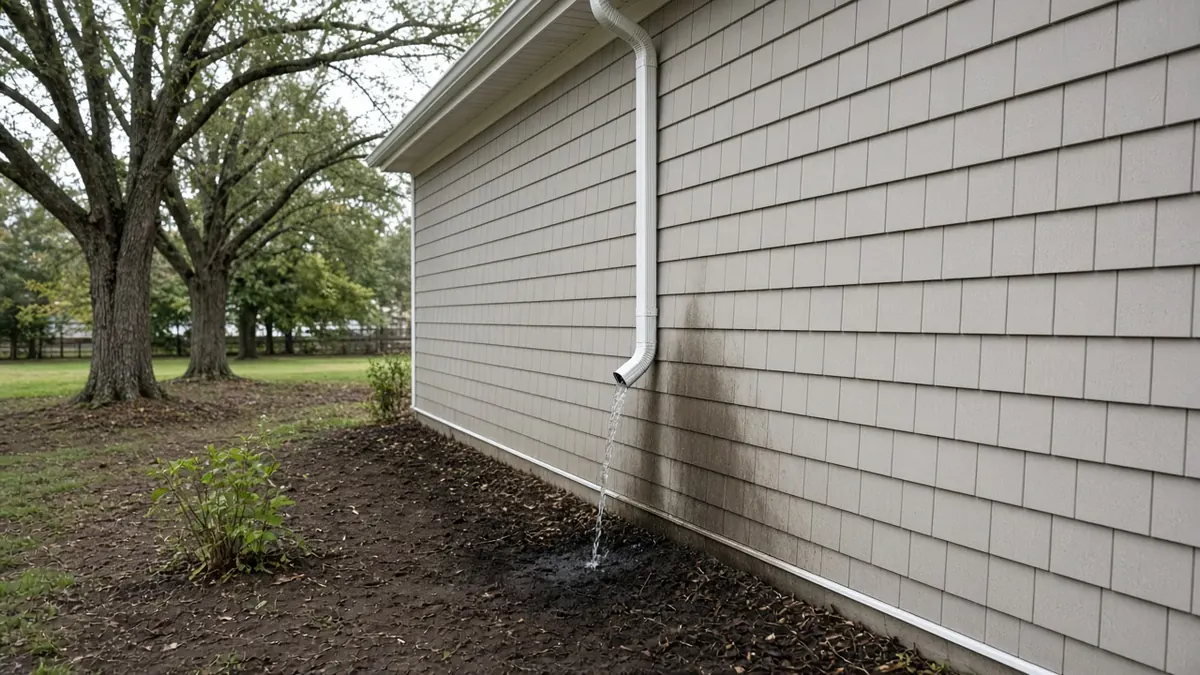
Clean the gutters and check that the ground slopes away from the house. Insulate cold water pipes that sweat. These are small jobs, and they protect the work you just paid for.
Clean water or backup water: tell the contractor which
If sewage water is in the house, keep out of it and keep children and pets away. EPA says sewage contaminated water needs professional help, so let the drying contractor handle it. If water reaches outlets, cords or the panel, stay out and have an electrician or the utility cut power.
A burst supply line puts clean water into your house. A backup from a drain, a sewer line or a cesspool does not, and porous material it soaked, such as carpet, pad and drywall, often has to be replaced rather than dried.
Name the type of water, the time it arrived and what it soaked when you phone the contractor. Ask for a written list of what comes out.
For a backup, call your plumber or sewer contractor too. Cleanup deals with the mess, and the drain repair is a different trade. Book both so the water does not come back.
How the job runs
- Stop the water
Shut off the supply line or call the plumber, and note when the water arrived.
- Call right away
Every hour counts inside the 24 to 48 hour window.
- Dry and read
Equipment runs until the readings show the structure is dry.
- Decide on mold
If growth has started, book the assessment before any removal.
What moves the price of water damage drying
- Hours matter: the longer material sits wet, the more of it has to come out.
- Water that soaked into a slab dries slowly and may need a moisture reading before flooring goes back.
- Carpet pad and vinyl hold water against the floor and add steps to the job.
- A finished basement may need the bottom of the wall opened to dry the cavity.
- Dirty backup water means more material removed and more cleaning than clean water.
- A closed-up house in humid weather dries slowly without dehumidifiers running.
What Mold Removal Nassau County stands behind
- R1Reaching out is free, and you owe us nothing.
- R2We charge nothing for sorting out the job.
- R3Your assessor and your remediator work for different firms.
- R4The $100 credit applies just as the Terms set out.
The work itself falls under your own contract with the contractor.
Mold Removal Nassau County, (315) 640-3590 Read the full terms
Your first booked job comes $100 off, paid by us.
- The $100 comes from us, so the contractor's quote is unchanged.
- One per customer at each Nassau County address.
- Book the job by December 31, 2026 to use it.
- The contractor quotes and bills the work.
Water Damage Drying by town
North Shore hills and harbors
The middle of the county
The South Shore
Guides for this job
Trace the water early and the job stays smaller.