
Elmont / Water Damage Drying
Water damage drying in Elmont: find the leak, then dry the house
Water is on the floor or in a wall, and you need to know whether it came from the roof, a pipe or the drain. Call now, tell us the room and what is wet, and we line up a local drying contractor.
Describe your wet Elmont room. Once you book, $100 off your first job comes from us.
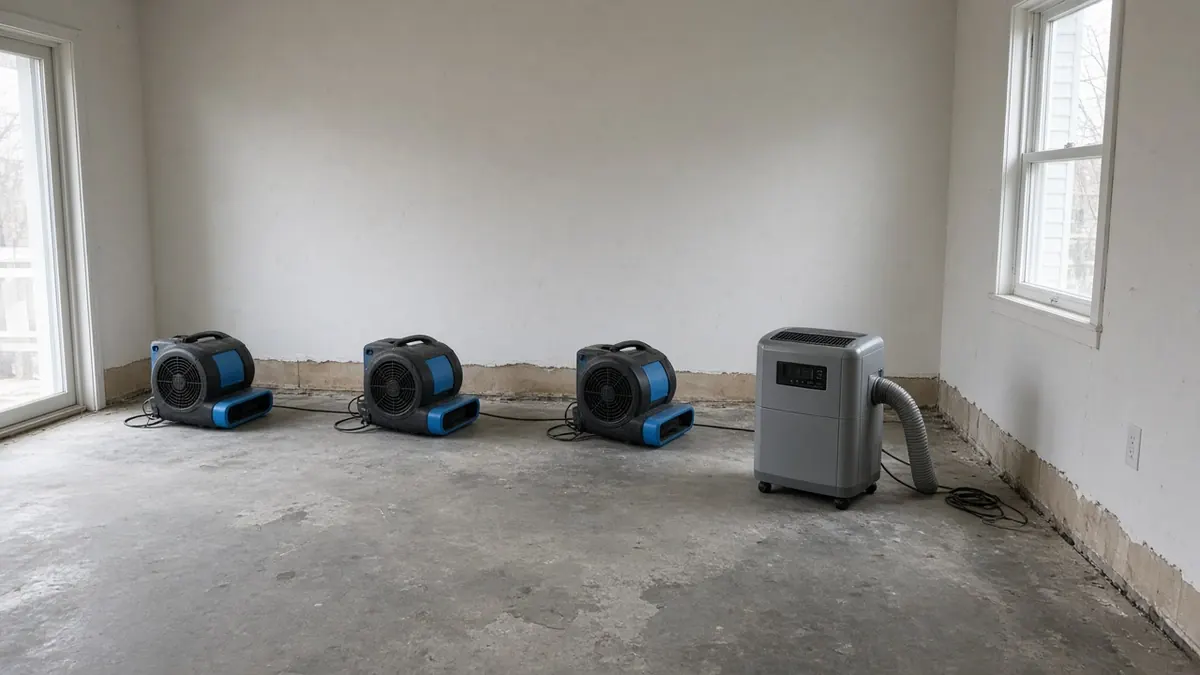
We line up the drying company first. If mold shows up, a separate assessor checks it. We are not the contractor.
Describe the wet spot
Start with a name, a mobile number and your ZIP. Add the room and the surface if you can.
What Mold Removal Nassau County stands behind
- R1Reaching out is free, and you owe us nothing.
- R2We charge nothing for sorting out the job.
- R3Your assessor and your remediator work for different firms.
Your first booked job comes $100 off, paid by us.
- The $100 comes from us, so the contractor's quote is unchanged.
- One per customer at each Nassau County address.
Signs a wet room in Elmont needs drying
- Wet drywall under a bathroom or kitchenA failing supply or drain line soaks the wall below. Shut the water and photograph the damage.
- Water along the basement wall after heavy rainCheck downspouts and window wells first. The nearest USGS well read about 36 feet down in 2016.
- Sewage in a floor drain or laundry sinkEPA says sewage contaminated water needs professional help. Keep children and pets away.
- A wet boiler room or heating line leakA leaking line can soak a wall for weeks. Tell the contractor where the heating pipes run.
Quick answers
Why did my Elmont basement get wet?
Rain, a roof, a pipe or a drain can be the source. One USGS well read about 36 feet down in 2016, which is not your lot, so have the source confirmed.
How soon should drying begin?
EPA says to dry wet materials within 24 to 48 hours. Phone as soon as you see water, and keep dated photos.
Will I have to leave the house while it dries?
Ask the contractor. Fans and dehumidifiers run in the wet rooms, and a sewage job may need the area closed off.
Can I dry a wet slab or block wall with a fan?
A fan helps the surface, but EPA says concrete and block hold a great deal of water. Ask the contractor to take readings inside the material.
Water in an Elmont house: start with the roof, pipes and drain
The nearest USGS well, inside Elmont, sat about 36 feet down in 2016. One well cannot speak for every lot, and the map's margin is about 5 feet, so have an assessor confirm the source. Rain, a roof, a pipe or a drain is the likelier route.
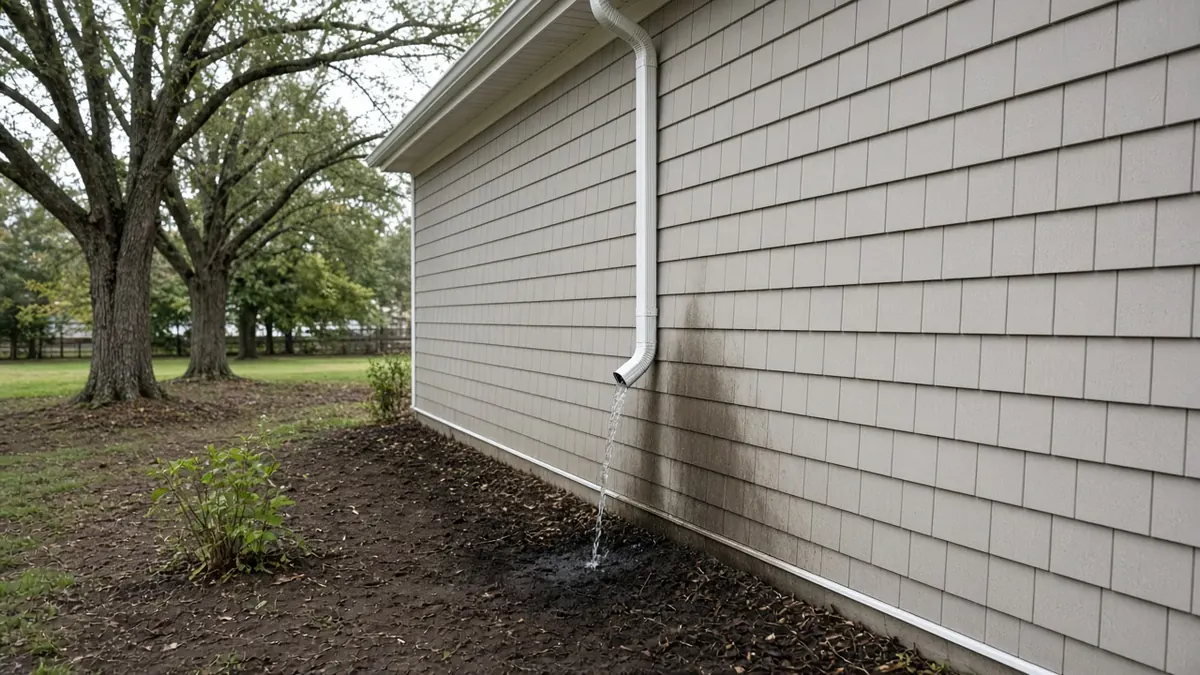
Walk the outside of the house when the rain stops. Look for downspouts that empty at the wall, soil that slopes toward the house and a window well that holds water.
Tell the contractor what you find so the drying plan matches the cause.
If your house heats with oil, tell the contractor where the tank and lines sit.
If your gutters were full of leaves, say so. A blocked gutter can overflow straight down a wall and into a window well.
The first two days decide the mold risk
EPA says the first one to two days matter: dry wet materials within 24 to 48 hours. Move items off the floor, open the room to air and phone us. If you have a policy, tell your insurer first, and do not wait for an adjuster before you start protecting the house.
Take dated photos of every wet surface. Keep receipts for anything you pay to stop further damage.
Masonry walls and slab floors hold a great deal of water, so ask for readings in the block and concrete too, not only the drywall.
Open interior doors so air can move through the wet rooms.
Pull furniture away from the walls and lift the carpet edges if you can. Air needs a path before drying equipment can work well.
A backup through the drain
A backup is a cleanup job as well as a drying job. Porous materials that touched the water usually come out, and hard surfaces need careful cleaning. Skip the wet vacuum and let a contractor handle it.
A repeat backup points to the line, so ask a plumber to scope the drain. Mold work, if it follows, goes to an assessor first and then to a separate removal firm.
Tell the contractor if more than one drain in the house is slow. That points to the main line, not a single fixture.
Ask for a plain list of what the contractor bagged, what it cleaned and what it left in place, and keep that list with your photos.
What Mold Removal Nassau County stands behind
- R1Reaching out is free, and you owe us nothing.
- R2We charge nothing for sorting out the job.
- R3Your assessor and your remediator work for different firms.
- R4The $100 credit applies just as the Terms set out.
The work itself falls under your own contract with the contractor.
Mold Removal Nassau County, (315) 640-3590 Read the full terms
Your first booked job comes $100 off, paid by us.
- The $100 comes from us, so the contractor's quote is unchanged.
- One per customer at each Nassau County address.
- Book the job by December 31, 2026 to use it.
- The contractor quotes and bills the work.
The other jobs in Elmont
Water Damage Drying nearby
Go wider
Trace the water early and the job stays smaller.