
Mold Inspection in Elmont, NY, Using When the Damp Appears
An independent assessor uses when your Elmont damp appears and disappears to tell a leak or condensation from the ground, and writes down the source and the scope.
Mold Inspection quote in Elmont
Tell us the town, the lowest level of the house and where the damp is showing. In Nassau that is usually enough to say whether the water is coming up from the ground or out of the house, and which licensed trade the job needs.
Would you rather talk it through? Call (315) 640-3590.
$100 off your first job
Credited by us on your first booked job.
- One credit per customer per property, on your first booked job.
- Valid through December 31, 2026.
Mention this offer when you book. Full terms.
How an Elmont assessor uses the pattern of the damp
An Elmont assessment turns your observations into a finding: the assessor measures the growth and the wet material, matches when the damp shows against how each possible source behaves, and writes the source and the repair trade into a plan. Groundwater has a signature here, and it is stillness. USGS well N 9979 in Elmont read the water table 35.96 feet down in March, 35.80 in April and 36.10 in June 2016, a spread of about a third of a foot over a season.
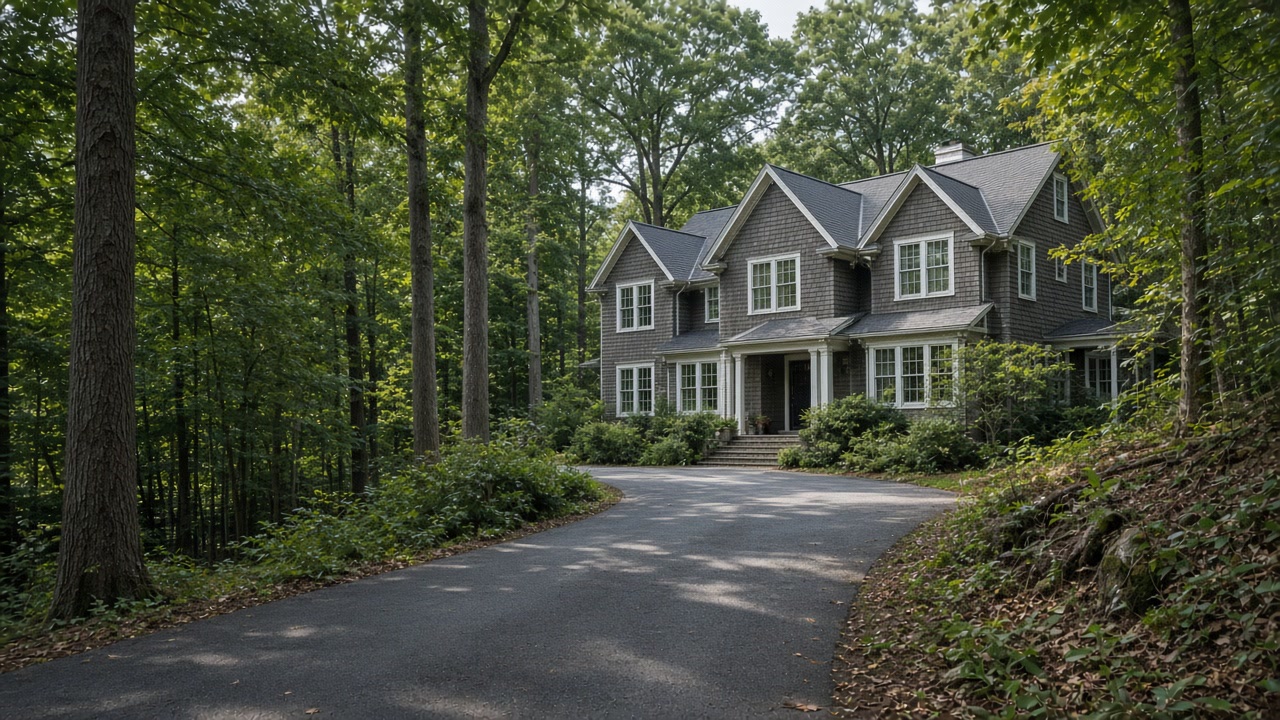
What mold inspection involves in Elmont
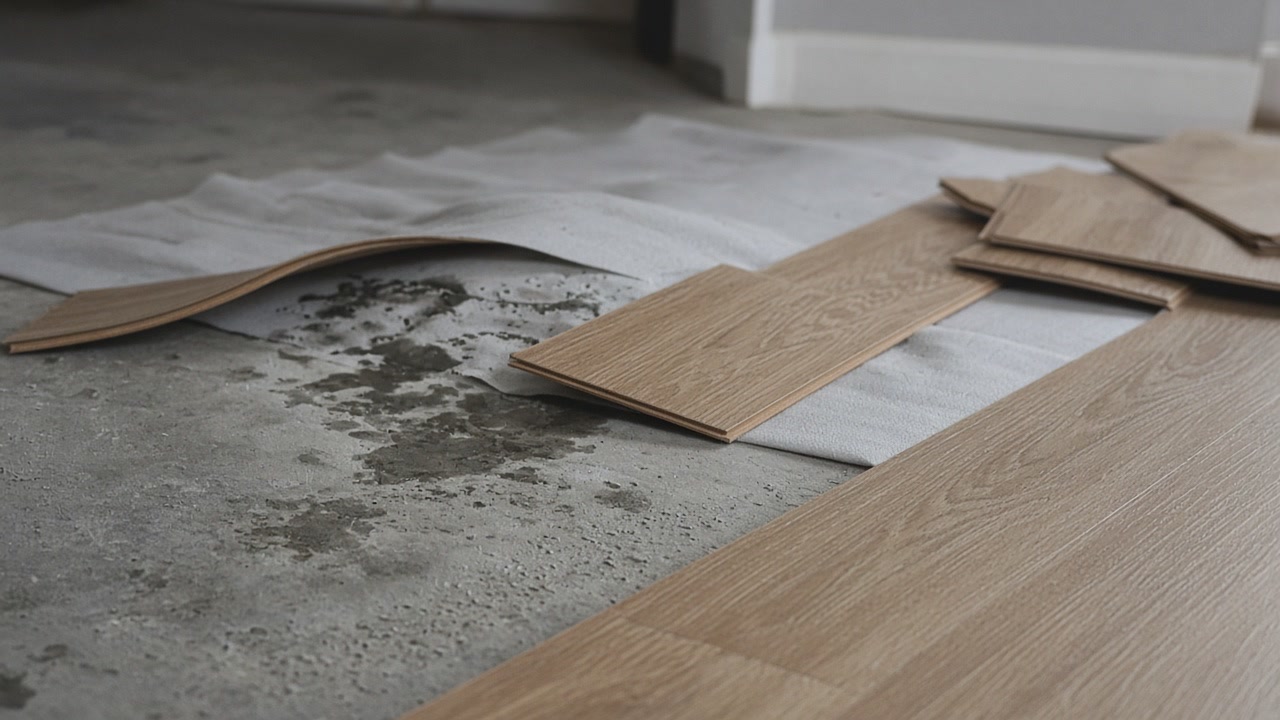
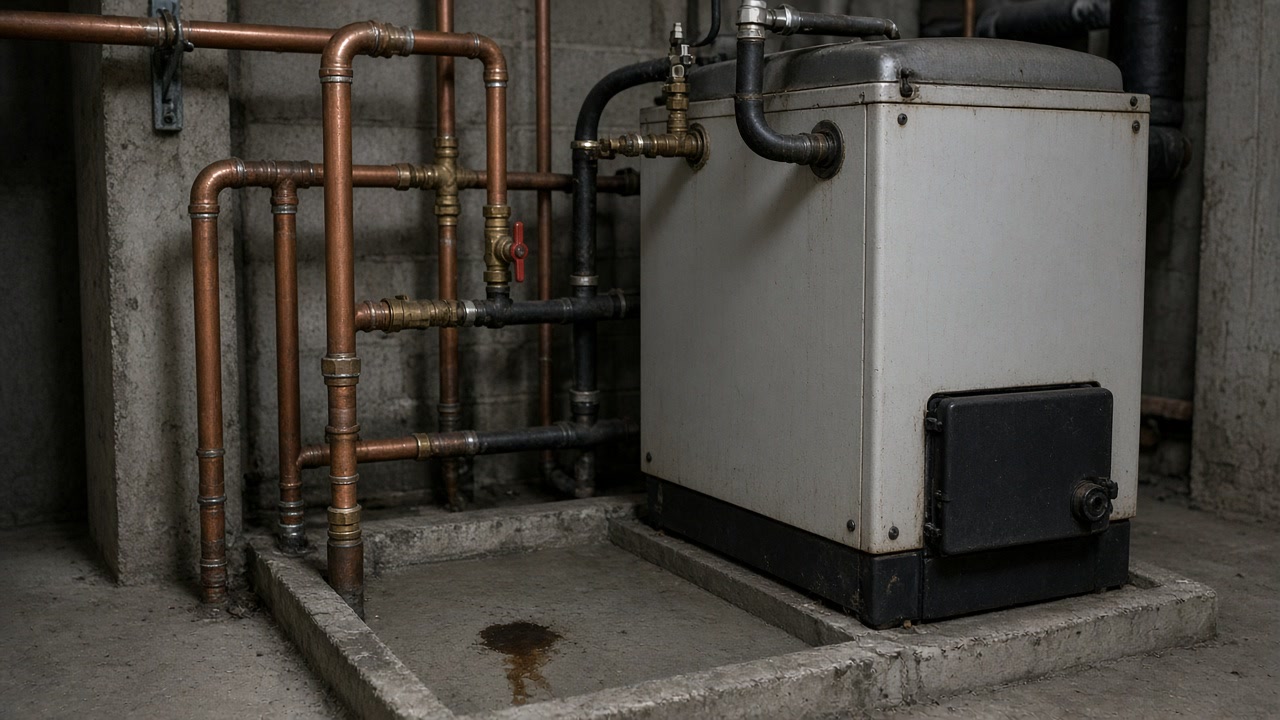
Keeping a damp diary before the Elmont visit
Before you book, spend a week or two noting when the damp is worse and when it eases. A patch that darkens after rain and fades in dry weather is surface water or a gutter. One that shows up on muggy days on cold walls and pipes is condensation, and the EPA's ceiling for indoor humidity is 60 percent. One that never changes may be a steady leak. None of those behaves like a table that moved a few inches in three months. If the patch is small and the cause is obvious, you may be able to deal with it yourself.
Dates and weather
Jot down the date, whether it rained and how the spot looked. Two weeks of notes beat a single visit.
A humidity reading
An inexpensive meter from a hardware store tells you whether the air is above 60 percent.
Which walls
Damp on an outside wall after rain points outside; damp near a bathroom points at plumbing.
Elmont's water table, three readings in one spring
USGS well N 9979, inside Elmont, measured the water table 35.96 feet down on March 17, 35.80 feet on April 18 and 36.10 feet on June 6, 2016.
Source: U.S. Geological Survey, Water Data for the Nation, groundwater field measurements, accessed 2026-09-23
EPA recommends keeping indoor relative humidity below 60 percent, ideally between 30 and 50 percent, and notes that it can be checked with an inexpensive moisture or humidity meter sold at hardware stores.
Source: US Environmental Protection Agency, A Brief Guide to Mold, Moisture and Your Home, accessed 2026-09-23
New York Labor Law section 945 requires the mold assessment licensee to prepare a written remediation plan before work starts, covering the work areas, quantities of material, methods, protective equipment, clearance procedures and criteria, occupant notices, an estimate of cost and time and, where possible, the underlying sources of moisture with the type of contractor who should fix them.
Source: New York State Senate, Consolidated Laws, Labor Law 945, accessed 2026-09-23
Damp in your Elmont home that comes and goes?
Tell us when it shows and where, and bring your notes to the assessor we book.
Removal work for the same Elmont house
What Elmont owners ask before the assessor reads their notes
Does waterproofing help if the damp comes and goes?
Rarely. Waterproofing is aimed at water pressing in from the ground, and the Elmont well shows groundwater sitting about 36 feet down and barely moving. Damp that comes and goes is a surface, leak or air problem, each with a cheaper fix.
Will the assessor want my notes?
They are the most useful thing you can hand over. They let the assessor test the likeliest source first instead of opening walls to find it.
Turn your Elmont damp diary into a finding
Send what you have noticed. Someone reads it and replies personally.