
Manhasset / Mold Assessment
Mold Testing and Assessment for Manhasset Homes
A musty bedroom or a black patch by a Manhasset window usually has a source you can name. Tell us where you smell it, and we line up an assessor to trace the moisture and write down what to fix.
Set up a Manhasset assessment visit; $100 off your first job applies once you book.
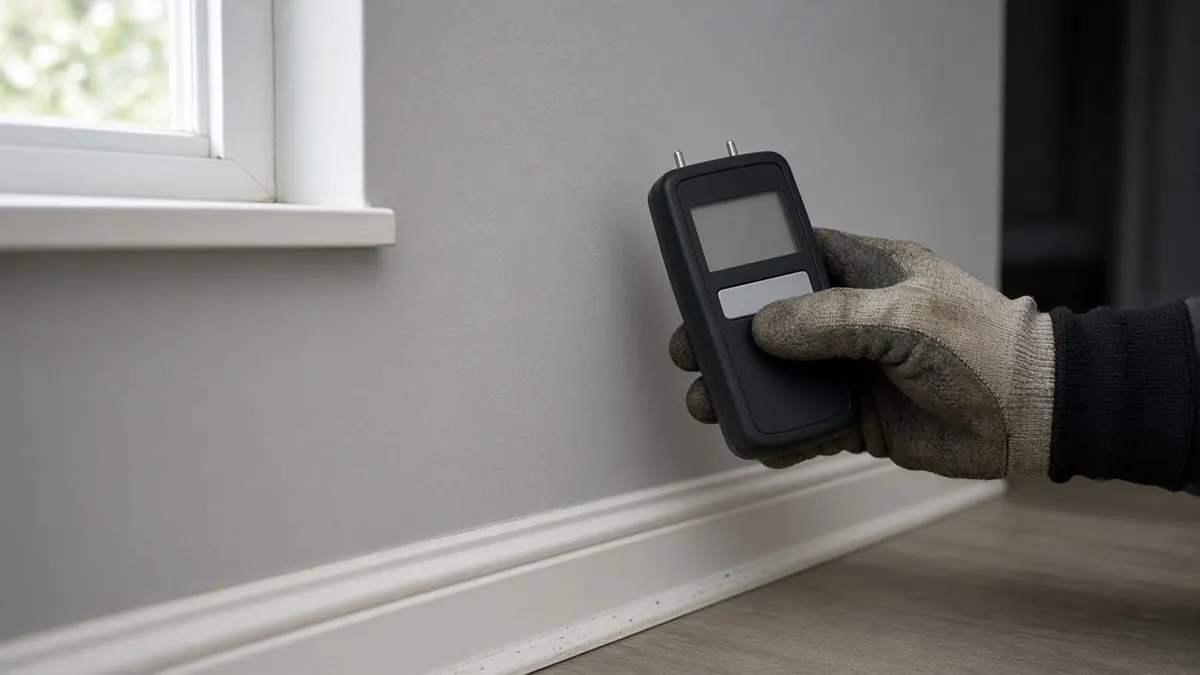
We book your mold assessment first. A separate company does the removal. We are not the contractor.
Describe the wet spot
Start with a name, a mobile number and your ZIP. Add the room and the surface if you can.
What Mold Removal Nassau County stands behind
- R1Reaching out is free, and you owe us nothing.
- R2We charge nothing for sorting out the job.
- R3Your assessor and your remediator work for different firms.
Your first booked job comes $100 off, paid by us.
- The $100 comes from us, so the contractor's quote is unchanged.
- One per customer at each Nassau County address.
Signs your Manhasset house needs a mold check
- A ceiling stain that grows after rainRings that spread after a storm often come from flashing, a gutter or a roof valley, not from the ground.
- Black dots around a window frameCold glass sweats in winter and wets the sill. EPA says moisture on windows and walls signals condensation.
- A closet that smells dampAn outside wall with weak insulation or a vent that ends in the attic can keep a closet wet.
- A bathroom fan that never dries the roomSteam with nowhere to go ends up behind tile and in the ceiling above, where you cannot see it.
Quick answers
How long should I wait before booking a Manhasset assessment?
If the smell or spots are still there after you fix an obvious drip, book now. Call us and we set a date.
Can my home inspector do the assessment?
Only if that person holds a mold assessor license. The Department of Labor says a home inspector who includes mold assessment in a report must have one. Ask to see it.
Does an apartment owner need an assessment too?
If the wet area is bigger than ten square feet and someone is paid to deal with it, the license rules apply. Tell us your unit and we explain the next step.
Start with the house, not the soil
Manhasset has deep water. One USGS well inside the hamlet read 66.21 feet down in 2016, so ask the assessor to check the house and the ground. The assessor walks the roof edge, the gutters, the window frames, the bathroom and the kitchen supply lines. Then the cellar. Ask for the likely sources in order.
Tell the assessor if your street climbs a hill. USGS says the table on the Neck follows the ground, so a high lot and a low lot can differ by a lot.
Ask what the assessor will open and what stays closed. A good visit includes the attic, the window wall and the cellar, with a meter in hand. Keep the photos for your contractor.
If you share a wall with a neighbor, tell the assessor. A leak next door can show up on your side as a stain with no pipe behind it.
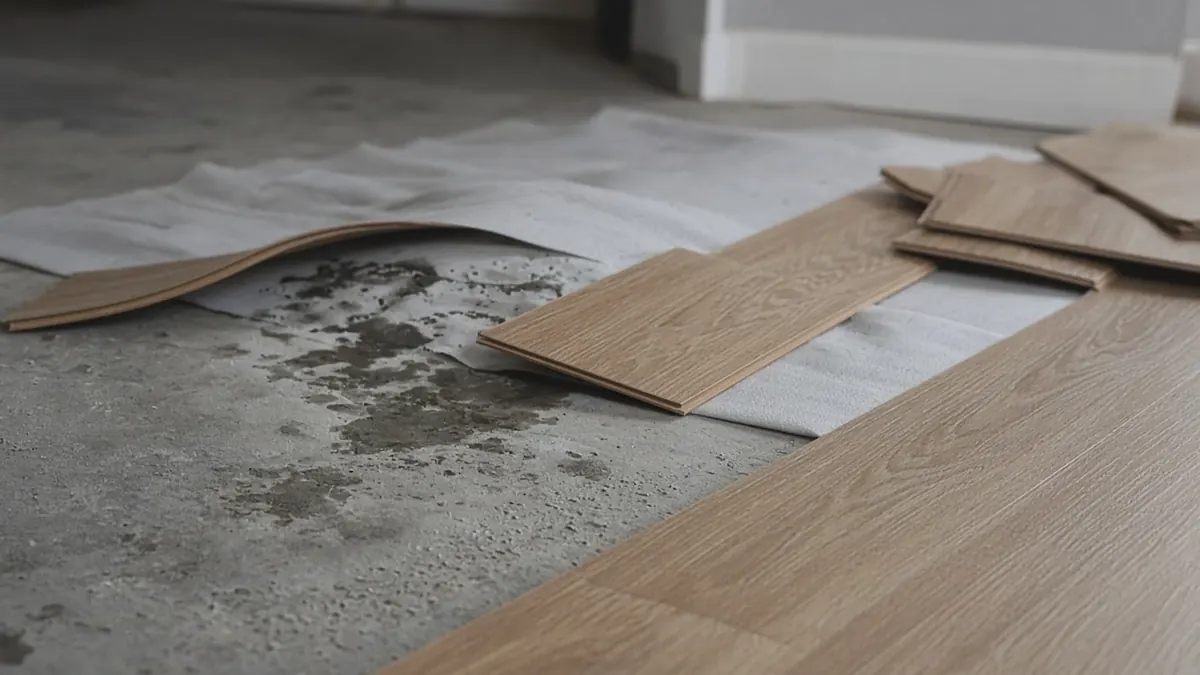
To sample or not to sample
Many owners ask for air tests. The Department of Labor says sampling is rarely recommended: some mold is always in the air, and no state or national standard exists to judge a number against. So ask your assessor what a sample would change. A moisture map and a clear plan usually do more for your money.
If the assessor does sample, ask for the lab report as a separate page you can keep.
It also helps to know that mold shows up almost everywhere at low levels. That is why the useful question is never whether mold exists, but where it grows and what feeds it.
Skip bleach before the visit. It removes the stain and leaves the assessor with less to read.
A license you can check, and a plan you can use
New York issues separate licenses to mold assessors and to the firms that remove mold. Get a license number from your assessor, then check it in the State's open data list. The assessor then writes the plan. You hand it to removal contractors, and they price the same scope.
In a house built before 1940, as nearly half of Manhasset's are, ask the assessor to note any old repairs that hide wet framing. Photos in the report help your contractor plan the rebuild.
One last check: ask when the written findings will reach you and who explains them. You want a person to walk you through the plan, not an email alone.
What Mold Removal Nassau County stands behind
- R1Reaching out is free, and you owe us nothing.
- R2We charge nothing for sorting out the job.
- R3Your assessor and your remediator work for different firms.
- R4The $100 credit applies just as the Terms set out.
The work itself falls under your own contract with the contractor.
Mold Removal Nassau County, (315) 640-3590 Read the full terms
Your first booked job comes $100 off, paid by us.
- The $100 comes from us, so the contractor's quote is unchanged.
- One per customer at each Nassau County address.
- Book the job by December 31, 2026 to use it.
- The contractor quotes and bills the work.
The other jobs in Manhasset
Mold Assessment nearby
Go wider
Describe what you see, then read the scope.