
Mold Remediation in Manhasset, NY, for Houses Built Before 1940
Licensed removal firms price the assessor's plan for your Manhasset house, and the plan tells them how far past the visible growth to open up in walls that may carry several renovations.
Mold Remediation quote in Manhasset
Tell us the town, the lowest level of the house and where the damp is showing. In Nassau that is usually enough to say whether the water is coming up from the ground or out of the house, and which licensed trade the job needs.
Would you rather talk it through? Call (315) 640-3590.
$100 off your first job
Credited by us on your first booked job.
- One credit per customer per property, on your first booked job.
- Valid through December 31, 2026.
Mention this offer when you book. Full terms.
Who signs off on opening a Manhasset wall
Find out whether your house sits in unincorporated Manhasset, where building permits go to the Town of North Hempstead, or in an incorporated village close by, Munsey Park and Plandome being two, where the village handles it. The removal firm will need to know. Then read the plan for the porous materials it lists. The state health department says heavily grown drywall, carpeting, paper and ceiling tile should be thrown out rather than cleaned, so expect the scope to follow the damp material, not just the visible spots.
The renovation history you know of
Tell the firms when the basement was finished or a bathroom redone. It explains why growth may sit behind a newer wall.
Materials that stay and materials that go
Solid wood framing and masonry can often be cleaned. Paper faced board and carpet with heavy growth come out.
The source repair is booked
The plan names the trade. If that repair has not happened yet, the removal date should wait for it.
The age of Manhasset's housing, on the census record
Census estimates for 2020 to 2024 count 2,871 housing units in Manhasset with a median year built of 1942, older than every Nassau place in this ledger except Sea Cliff and Floral Park, and 47.3 percent built in 1939 or earlier.
Source: US Census Bureau, American Community Survey 2020-2024 5-year estimates, Manhasset CDP, tables B25034, B25035, B25003, B25024 and B25040, accessed 2026-09-23
Nassau County's own annex to the hazard plan states that the National Flood Insurance Program is administered at the municipal level in Nassau County, and that most of the county's 69 jurisdictions maintain their own zoning and planning officials.
Source: Nassau County Hazard Mitigation Plan 2021, jurisdictional annex for the County of Nassau, accessed 2026-09-23
The New York State Department of Health lists the first step of mold cleanup as controlling the moisture problem by finding and correcting its source, then discarding porous materials with extensive growth such as drywall, carpeting, paper and ceiling tiles, and discarding any wet material that cannot be cleaned and dried thoroughly.
Source: New York State Department of Health, publication 7287, accessed 2026-09-23
The New York State Department of Labor lists four exemptions from mold licensing: a residential owner working on their own property; a non residential owner or employee working on an apartment building of four or fewer units they own; an owner, managing agent or full time employee working on commercial property or an apartment building of more than four units the owner owns, if they do not do mold work for the public; and government units working on property they own, manage or remediate.
Source: New York State Department of Labor, Mold Frequently Asked Questions, accessed 2026-09-23
Section 930 of the New York Labor Law defines a mold project as mold remediation, assessment or abatement of an area greater than ten square feet, excluding routine cleaning and construction, maintenance, repair or demolition done for purposes other than mold work, and defines mold assessment as an inspection designed to discover mold or conditions that facilitate it.
Source: New York State Senate, Consolidated Laws, Labor Law 930, accessed 2026-09-23
New York Labor Law section 936 bars any licensee from performing both the mold assessment and the mold remediation on the same property, bars any person from owning an interest in both licensees on that property, and requires the assessment licensee to give a written report to each client it assesses for pay.
Source: New York State Senate, Consolidated Laws, Labor Law 936, accessed 2026-09-23
What mold remediation involves in Manhasset
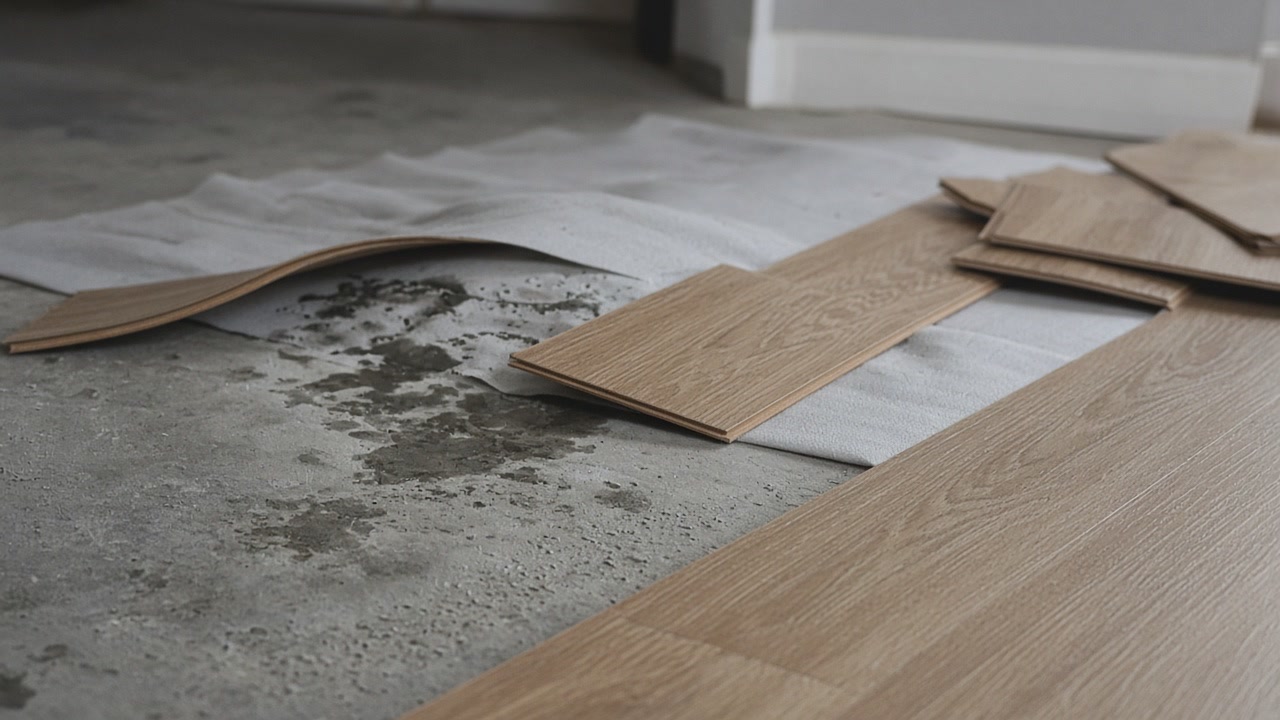
Removing mold from Manhasset's older walls and floors
In an older Manhasset house, remediation means opening what later owners closed: the paneling or drywall put up over an original wall, the carpet laid over an old floor, the insulation added in an attic or a knee wall. The crew removes what the plan lists, cleans what can stay and seals the area so nothing travels. That layering is common here. Census estimates put 47.3 percent of Manhasset's homes in 1939 or earlier, with a median year built of 1942, older than nearly every other place in the county.
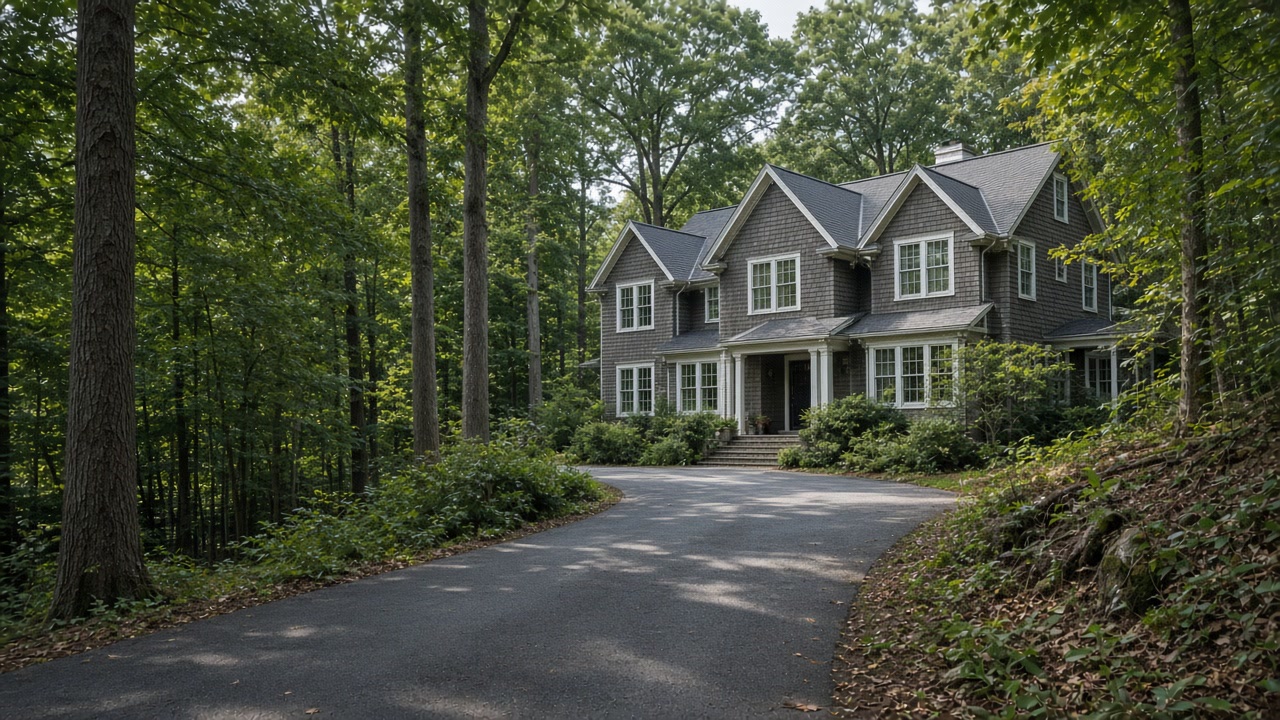
Opening an older Manhasset wall?
Tell us which rooms the plan covers and roughly when the house was last renovated. Licensed removal firms get it next.
Manhasset owners ask about removal in older homes
Why does the plan reach past the spots I can see?
Because the assessor measured the wet material, not just the stain. In a wall that has been covered over more than once, the damp often runs further behind the surface than it shows on it.
Can I remove it myself?
An owner working on their own home is exempt from New York's mold licensing at any size. If you hire someone for a job over about ten square feet, both the assessor and the remediation firm must be licensed, and they must be different companies.
Get the Manhasset plan priced by licensed firms
Asking carries no commitment. Send what the plan lists and whether the leak has been repaired.