
Sea Cliff / Water Damage Drying
Water Damage Drying for Sea Cliff Cellars, Leaks and Backups
Water in a Sea Cliff cellar, a soaked ceiling or a drain that backed up needs drying started now. Call with the street and what happened, and a drying contractor can be scoped and priced through us.
Call about the water in your Sea Cliff home. Once you book, $100 off your first job comes from us.
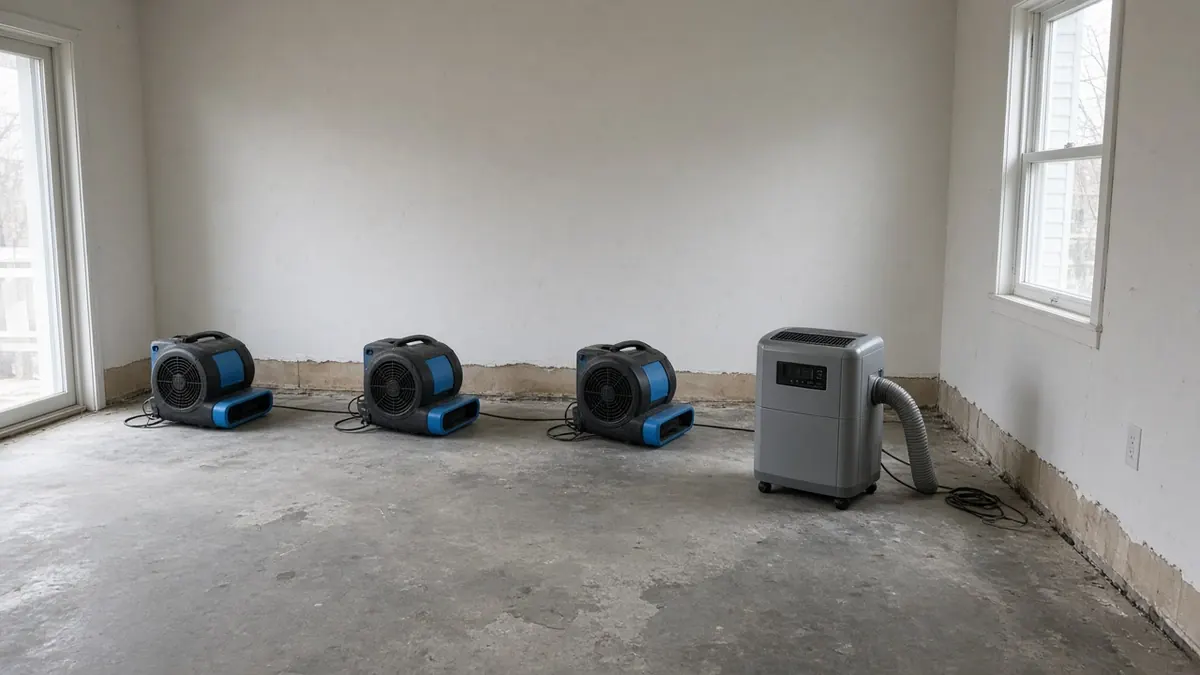
We line up the drying company first. If mold shows up, a separate assessor checks it. We are not the contractor.
Describe the wet spot
Start with a name, a mobile number and your ZIP. Add the room and the surface if you can.
What Mold Removal Nassau County stands behind
- R1Reaching out is free, and you owe us nothing.
- R2We charge nothing for sorting out the job.
- R3Your assessor and your remediator work for different firms.
Your first booked job comes $100 off, paid by us.
- The $100 comes from us, so the contractor's quote is unchanged.
- One per customer at each Nassau County address.
Signs a wet room in Sea Cliff needs drying
- Water running in under a cellar doorOn a slope, runoff finds the lowest opening, and an old bulkhead door can be one of them.
- A sewer or septic backupSewage-contaminated water needs professional help, EPA says, and the cause may be on your side or the street's.
- A leak in a wall during renovationA nicked pipe can soak insulation and framing behind new finishes before you notice.
- A ceiling that sags under a roof leakWet insulation holds water long after the rain stops, and the board below goes soft.
Quick answers
Does a hillside cellar need drying again after rain?
If water returns after a storm, the entry point is still open. Ask the contractor to check the gutters and the grade, and book an assessment if it keeps coming back.
Can I dry a small spill myself?
For a small clean-water spill, fans and a dehumidifier often do it. For anything bigger, or any sewage, call us.
What if water keeps coming back?
Water that returns with no rain points to a pipe or the ground. Book an assessment so the source is on paper before you rebuild.
Sewer, septic or storm: tell them which
The village says it oversaw new sewers in recent years, and a county release says sections of Sea Cliff still use cesspools or septic. A backup means different things in each case. Tell the contractor which system your house uses and whether the water came up a drain or through a wall.
If you do not know, say so, and ask a plumber to check the line while the drying is scoped.
Write down what you shut off and when. Move small items to a dry level, then call. A contractor needs the story to choose equipment, and your insurer needs the same story to open a file.
If the water touched wiring, keep clear and ask an electrician to check it before you use the circuit.
Tell the contractor if the cellar has a floor drain or a sump. Both change how the water leaves and where a backup could start.
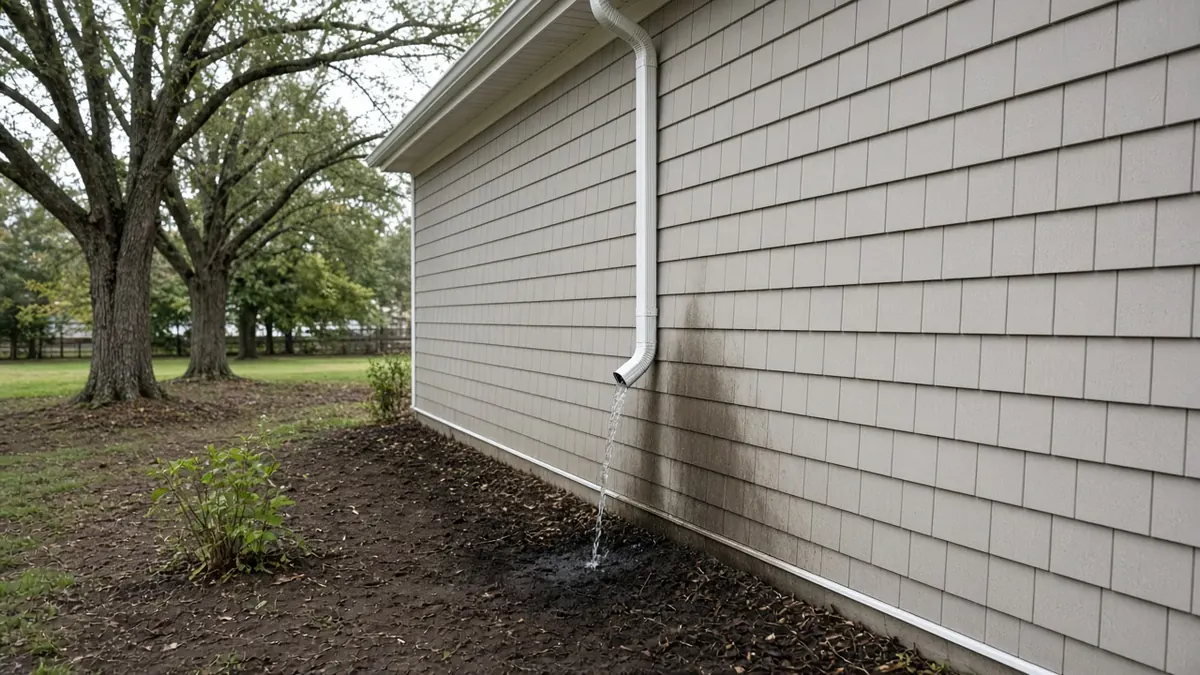
Hillside water and the cellar door
The county plan records a mud slide in Sea Cliff after heavy rain on May 1, 2014. Its insurance table shows 32 paid claims for the village, going back to 1978. On a slope, a downpour sends water to the lowest point. Tell the drying contractor where it entered, and ask what would keep it out next time.
Photograph the water line on the wall. It shows depth and helps your insurer.
Ask the contractor to look at the grade outside the wet wall and tell you what they see. A downspout that ends at the foundation or a low spot by the door is a cheap fix that stops the next flood. Put that repair on the same schedule as the drying.
Dry before you close anything
EPA advises drying water damaged areas inside a day or two. Ask for meter readings on the first day and the last, and do not let a wall be closed until the last set is in your hand.
If any room still smells after the work, book an assessment before you paint. Find out now, so you do not rebuild twice.
Ask for the drying log when the job ends: readings, equipment, days on site. Keep it with your photos. If you sell the house, a buyer's inspector may ask to see it.
Ask who will put back what comes out.
What Mold Removal Nassau County stands behind
- R1Reaching out is free, and you owe us nothing.
- R2We charge nothing for sorting out the job.
- R3Your assessor and your remediator work for different firms.
- R4The $100 credit applies just as the Terms set out.
The work itself falls under your own contract with the contractor.
Mold Removal Nassau County, (315) 640-3590 Read the full terms
Your first booked job comes $100 off, paid by us.
- The $100 comes from us, so the contractor's quote is unchanged.
- One per customer at each Nassau County address.
- Book the job by December 31, 2026 to use it.
- The contractor quotes and bills the work.
The other jobs in Sea Cliff
Water Damage Drying nearby
Trace the water early and the job stays smaller.