
Water Damage Drying in Glen Cove, NY, on the Low Sound Shore
Get the water pulled out and the structure dried in your Glen Cove home, with the soaked materials that outside water ruins removed, not dried and closed back up.
Water Damage Drying quote in Glen Cove
Tell us the town, the lowest level of the house and where the damp is showing. In Nassau that is usually enough to say whether the water is coming up from the ground or out of the house, and which licensed trade the job needs.
Would you rather talk it through? Call (315) 640-3590.
$100 off your first job
Credited by us on your first booked job.
- One credit per customer per property, on your first booked job.
- Valid through December 31, 2026.
Mention this offer when you book. Full terms.
Glen Cove's flood-prone shore and claims record
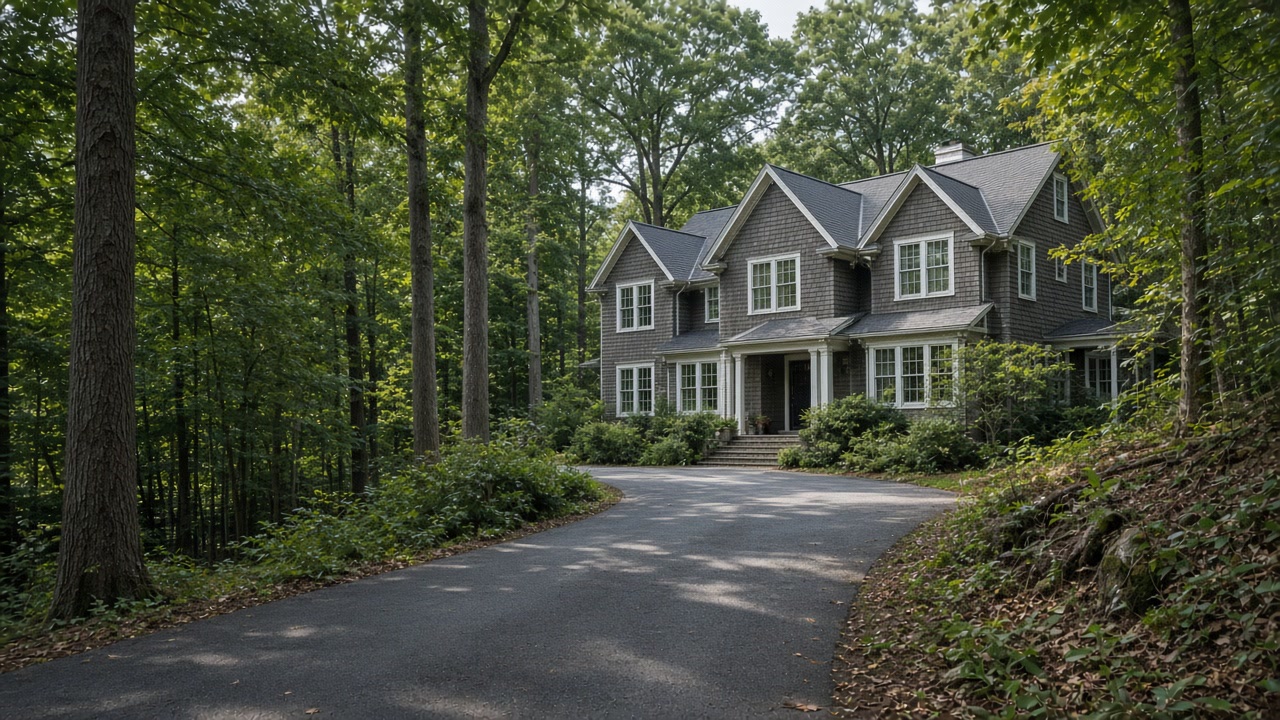
In its annex to the county hazard plan, the City of Glen Cove describes its flood prone areas as low lying land on the North Shore abutting Long Island Sound, including the land around Glen Cove Creek, land next to Crescent Beach and the land at Pryibil's Beach, and names coastal hazards, flooding and wind as the hazards that most affect it.
Source: Nassau County Hazard Mitigation Plan 2021, jurisdictional annex for the City of Glen Cove, accessed 2026-09-23
The county hazard plan lists the City of Glen Cove with 134 flood insurance policies, 164 claims paid since 1978 totaling $2,764,312, 71 repetitive losses and 17 claims outside the mapped flood zone, and reports that the city identified 12 residential repetitive loss properties and no severe repetitive loss properties.
Source: Nassau County, Multi-Jurisdictional Hazard Mitigation Plan, January 2021, accessed 2026-09-23
The New York State Department of Health lists the first step of mold cleanup as controlling the moisture problem by finding and correcting its source, then discarding porous materials with extensive growth such as drywall, carpeting, paper and ceiling tiles, and discarding any wet material that cannot be cleaned and dried thoroughly.
Source: New York State Department of Health, publication 7287, accessed 2026-09-23
EPA advises that water damaged areas and items be dried within 24 to 48 hours to prevent mold growth, and states that if wet or damp materials are dried within that window after a leak or spill, in most cases mold will not grow.
Source: US Environmental Protection Agency, A Brief Guide to Mold, Moisture and Your Home, accessed 2026-09-23
Drying Glen Cove's shore land after the Sound comes up
A drying crew gives a Glen Cove house three things: the standing water extracted, the materials that cannot be dried taken out, and a written trail of moisture readings until the walls, framing and slab are dry. The city's own plan tells you where this is most likely to be needed. It places its flood-prone ground on the low shore of the Sound, including the areas around Glen Cove Creek, Crescent Beach and Pryibil's Beach, and the county counts 164 paid flood insurance claims in the city since 1978.
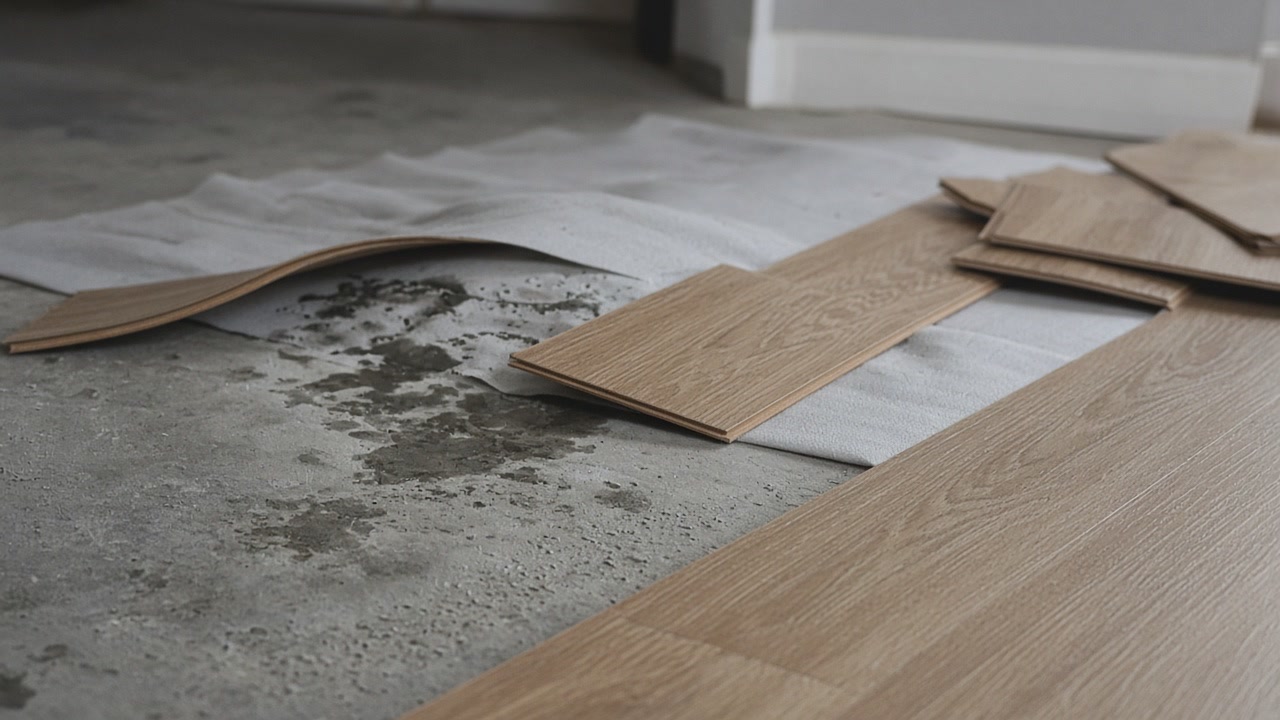
Weighing a Glen Cove dry out: what to keep and what goes
Water that came in from outside across the shore land is not clean, and state health guidance says wet material that cannot be fully cleaned and dried is thrown out, which usually means carpet, pad and the base of the drywall. Timing settles the rest, since the EPA ties mold prevention to drying within 24 to 48 hours. If your home is up the hill and the water came from a pipe or an appliance, drying in place is far more often possible.
Outside water or inside water
Water from the shore land means removing more; water from a burst line on the hill can often be dried where it lies.
A previous claim on the house
The city has 71 repetitive losses on record. If yours is one, old damp may sit behind the new.
Up the hill instead
A wet uphill basement after rain usually points at gutters or grading. Dry it, then have that repaired.
Did water reach a Glen Cove home near the creek or the beaches?
Tell us when the Sound came in and what it soaked, and a licensed drying crew can be lined up.
Assessment and removal after a Glen Cove flood
Glen Cove drying questions after water gets in
Can the crew just dry the carpet?
Not if the water came in from outside. State health guidance treats soaked carpet and pad that will not come fully clean as material to discard. A clean-water spill caught quickly is a different case.
Our house flooded before and was repaired. Does that change anything?
It can. Tell the crew. Readings taken beyond the fresh water sometimes show damp left from the last event, and it needs drying too.
Get the Glen Cove structure dried, not just mopped
Describe the rooms and the source. Asking commits you to nothing at all.